
PMOS / PCOD Treatment in Thane
PCOD/PMOS Management
If you find that you are experiencing irregular period cycles, acne and rapid weight fluctuations, it can become confusing and frustrating for you. You are certainly not alone so stop overthinking! PCOD/PMOS is an unpredictable condition and requires patience.
Under the guidance of Dr. Nikita Kulkarni an obstetrician and gynecologist in Thane you can receive support in managing your symptoms through practical and clinically appropriate methods.
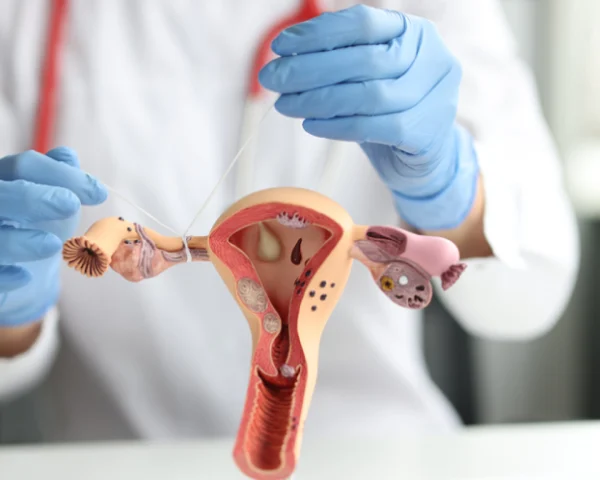
What is PMOS/PCOD?
PMOS is a common hormonal condition in women of reproductive age, involving irregular periods, hormonal imbalance, and sometimes multiple small cysts in the ovaries. It may affect menstrual cycles and fertility. With proper treatment, PMOS symptoms can be effectively managed. Without adequate care, it may lead to complications such as weight gain, insulin resistance, and type 2 diabetes.
PCOD is a hormonal condition where the ovaries develop multiple small follicles. PMOS and PCOD share similar symptoms, such as irregular periods and hormonal changes. Consulting a doctor like Dr Nikita Kulkarni for PCOD treatment in Thane can help you understand your condition and manage it effectively.
What Causes PMOS?
The exact reason for PMOS is still unknown, but it is linked to a combination of factors contributing together, such as:
- Insulin resistance: It can contribute to hormonal imbalance and increase the risk of weight gain.
- Genetics: PMOS can be more common in women with a family history of the condition.
- High androgen activity: Increased male hormones can cause symptoms like acne and excessive hair growth.
What are the Main Symptoms of PMOS / PCOD?
- Irregular periods: Due to irregular ovulation, periods may not occur regularly or may be very light. In some cases, the uterine lining may build up over time, which can lead to heavier bleeding when a period occurs.
- Hair growth: Higher androgen levels in PMOS may lead to excess hair growth on the face, chest, abdomen, or back.
- Acne: Increased levels of androgens contribute to oily skin. Acne may then develop in areas such as the face, upper back, and chest.
- Obesity: Many women with PMOS may experience weight gain or find it difficult to manage their weight.
Hair Thinning: Due to hormonal imbalance, some women may notice thinning of hair or hair loss from the scalp. - Skin Darkening: Dark patches of skin may appear on areas like the neck, underarms, or under the breasts. This is called acanthosis nigricans.
- Occasional Headache: Some women may also experience headaches.
Difference Between PMOS and PCOD
| PCOD | PMOS |
| Ovaries produce many immature eggs, often linked to lifestyle factors like stress and obesity | A metabolic disorder that can lead to anovulation, where eggs are not released regularly |
| Fertility is usually less affected, and pregnancy is often possible with appropriate medical support | Fertility can be more affected due to irregular ovulation |
| Usually does not cause serious complications if managed | May be linked to conditions like type 2 diabetes and high blood pressure |
Long-Term Risks Involved With PMOS and PCOD
- Metabolic syndrome and diabetes: Prevalence of insulin resistance and high insulin concentration is very common, leading to high risks of type 2 diabetes over the long term.
- Cardiovascular problems: Potential risks for hypertension, abnormal cholesterol levels, and heart-related problems.
- Reproductive diseases and gynecologic malignancies: The uterine wall thickening due to prolonged anovulatory cycles can cause endometrial cancer development. An additional risk for developing breast cancer is also possible.
- Infertility and complications of pregnancy: Infertility, miscarriages, and gestational diabetes are potential risks.
- Obesity and hepatic disorders: High risk of being obese and developing non-alcoholic fatty liver disease (NAFLD).
- Psychiatric problems: PMOS can also affect mental well-being, with some individuals experiencing anxiety or depression.
- Respiratory complications: High probability of developing sleep apnea, especially in obese women.
Getting the right treatment promptly can help manage these risks early and improve long-term health.
Treatment Options for PMOS / PCOD
- Lifestyle modifications: Staying active and following a healthy diet can support weight loss. Even a small amount of weight loss may reduce the risk of complications associated with PMOS.
- Medication: Hormonal therapy may be given to regulate menstrual cycles and hormonal imbalances. If needed, additional medicines may be given to help with ovulation and fertility.
- Dietary intervention: Following a low-carb diet may help in managing weight, blood sugar levels, and insulin resistance.
- Fertility intervention: If fertility is a concern, different treatment options, including In Vitro Fertilization (IVF), may be considered.
How Dr. Nikita Kulkarni Helps Manage PMOS
Personalised Assessment & Diagnosis
Dr. Nikita Kulkarni known for her expert PMOS treatment in Thane, will analyse your symptoms, your period cycle, and your lifestyle habits. Each patient is examined individually, and all problems are pointed out, followed by suitable treatment based on your needs.
Practical Symptoms Management
Managing symptoms such as irregular periods, acne, and weight gain is a key focus. Treatment plans are designed to fit comfortably into your daily routine.
Balancing Hormones & Tracking Progress
Dr. Nikita Kulkarni focuses on improving hormone balance and regulating menstrual cycles. Regular follow-ups will be scheduled to monitor progress and make necessary adjustments to the treatment plan.
Fertility-Specific Advice
If you are planning a pregnancy, personalized guidance will be provided by Dr. Nikita Kulkarni based on your health condition. The main focus will be on improving ovulation and supporting your fertility.
Long-Term Wellbeing & Preventive Measures
Preventive care focuses on reducing the risk of long-term health issues associated with PMOS. Regular follow-ups and clear communication help ensure effective, ongoing care.
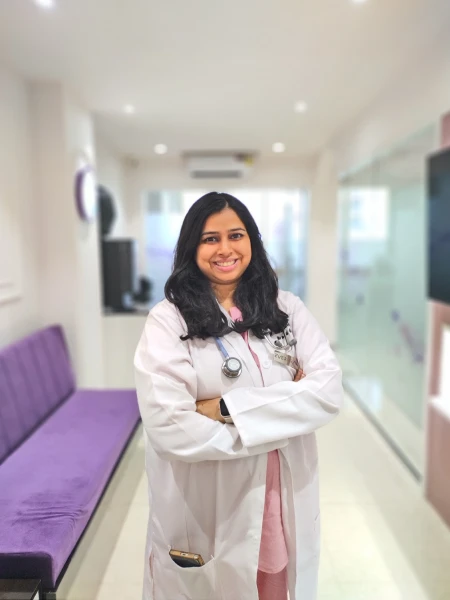
Dr. Nikita Kulkarni
Consultant Obstetrician & Gynaecologist
Frequently Asked Questions
What are the symptoms of PCOD/PMOS?
Common symptoms of PCOS may include irregular periods, acne, excess facial or body hair growth, weight gain, hair thinning, and difficulty conceiving due to irregular ovulation. Symptoms can vary from person to person.
Can PCOD/PMOS be cured permanently?
PCOS is a long-term hormonal condition that can usually be managed effectively with lifestyle modifications, medical treatment, and regular follow-up. The treatment approach depends on symptoms, reproductive goals, and overall health.
Can I get pregnant with PMOS?
Many women with PCOS are able to conceive naturally or with medical support, although irregular ovulation may make conception more challenging in some cases. Early evaluation and appropriate management may help improve fertility outcomes.
What is the best treatment for PCOD/PMOS?
The treatment for PMOS depends on the individual’s symptoms, hormonal profile, metabolic health, and pregnancy plans. Management may include lifestyle modifications, weight management, medications, and fertility treatment when required.
Which foods should be avoided in PMOS?
Limiting highly processed foods, excess sugar, sugary beverages, and refined carbohydrates may help support metabolic health in women with PMOS. A balanced diet rich in protein, fibre, whole grains, fruits, and vegetables is generally advised.
Can PMOS treatment cause weight loss ?
Lifestyle modifications and treatment aimed at improving insulin resistance and hormonal balance may help support weight management in some women with PCOS. However, results can vary depending on individual health and metabolic factors.