
Laparoscopy Surgery in Thane
Laparoscopy Surgery
Gynecological problems can affect your comfort, health, and daily life. For many gynaecological conditions, laparoscopic surgery offers a minimally invasive approach that may be associated with smaller incisions, reduced postoperative discomfort, and faster recovery in appropriate patients.
Dr. Nikita Kulkarni offers gynaecological laparoscopic surgery in Thane for appropriately selected patients based on their diagnosis and clinical needs. Individuals seeking guidance on their health concerns may consider consulting a qualified healthcare professional for appropriate evaluation and care.
What is Gynecological Laparoscopic Surgery?
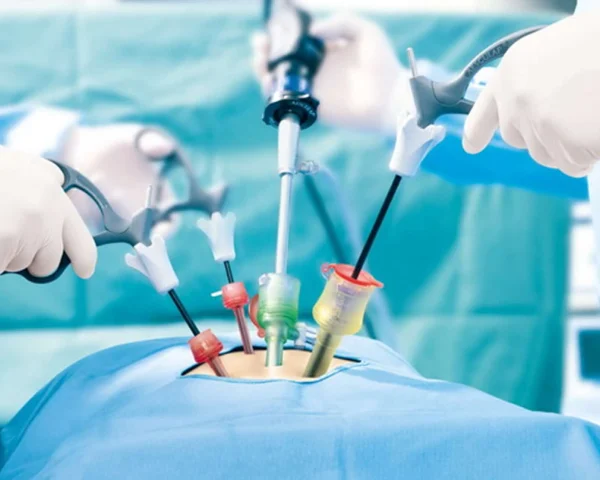
Gynaecological laparoscopic surgery is a minimally invasive surgery done to diagnose and manage problems within the woman’s reproductive system. This surgery involves the use of a thin camera through small cuts (incisions) on the abdomen to visualise organs such as the uterus, ovaries, and fallopian tubes.
Advanced laparoscopic procedures are performed for selected gynaecological conditions following a comprehensive evaluation and discussion of the available treatment options.
Conditions Treated with Gynaecological Laparoscopy
- Endometriosis – Laparoscopy may be used to diagnose and treat endometriosis, a condition in which tissue similar to the lining of the uterus grows outside the uterus. This may help relieve symptoms in selected patients.
- Uterine Fibroids and Ovarian Cysts – Uterus-preserving procedures may be performed in selected women depending on the size, location, and nature of the condition.
- Ectopic Pregnancies and Adhesions – Treatment focuses on managing ectopic pregnancies as well as adhesions created due to previous operations and infections.
- Bladder and Pelvic Support Problems – Selected pelvic floor disorders or pelvic organ prolapse may be managed using minimally invasive surgical techniques in appropriate cases.
- Gynaecological Cancers – Laparoscopy may be used for diagnostic evaluation or surgical management in selected gynaecological cancers, depending on the stage and clinical situation.
- Other Women’s Health Issues – Management includes hysterectomy and oophorectomy (removal of ovaries), infertility, chronic pelvic pain, and painful periods.
Who May Benefit from Gynaecological Laparoscopic Surgery?
Women with the following conditions may be considered for laparoscopic surgery after appropriate medical evaluation:
- Endometriosis and chronic pelvic pain
- Uterine fibroids requiring treatment
- Large, persistent or painful ovarian cysts
- Persistent pelvic pain requiring further evaluation
- Concerns with fertility resulting from the gynaecological condition
- Gynaecological conditions that can be addressed surgically through laparoscopy.
When is Laparoscopic Surgery Recommended?
- Finding the Cause of Symptoms – Recommended when persistent symptoms of abdominal or pelvic pains cannot be easily identified by scans or other diagnostic methods.
- Biopsy and Cancer Assessment – Used to collect tissue samples and examine the presence or extent of certain cancerous cells.
- Gynecological Conditions – Preferred for gynecological conditions such as endometriosis, ovarian cyst, fibroid uterus, hysterectomy, infertility evaluation, ectopic pregnancy and tubal ligation.
- Cases Requiring Minimal Invasion – Suggested if the patient’s treatment can be performed using only small incisions.
What Happens During the Procedure?
- Preparation and Anesthesia – General anesthesia will be administered prior to the surgery to ensure that you will be unconscious throughout the procedure and will not feel any pain.
- Space Creation Within the Abdomen – An incision will be created near the navel area through which Carbon dioxide gas is introduced into the abdomen to create space and improve visualisation of pelvic organs.
- Examination and Treatment – The laparoscope is inserted into your body so as to examine your uterus, ovaries, and fallopian tubes. Small incisions allow specialised instruments to be used for the necessary surgical procedure, such as treating endometriosis, removing ovarian cysts or selected fibroids, or obtaining a biopsy when required.
- Closing and Recovery – The instruments are taken out, the incisions are sutured, and you will be brought to the recovery area.
- Depending on the procedure performed, many patients are discharged within 24–72 hours.
Recovery After Gynaecological Laparoscopic Surgery
Recovery varies depending on the type of procedure performed and the individual’s overall health.
- Mild pain, abdominal discomfort, bloating, shoulder pain, or fatigue may occur during the initial recovery period and generally improve over time.
- Patients are encouraged to follow their doctor’s postoperative instructions to support healing and recovery.
- Follow-up appointments allow your doctor to monitor healing, address concerns, and assess recovery progress.
- Many patients are discharged within 24 to 48 hours after surgery, although this may vary based on the procedure and individual circumstances.
- Most patients can gradually return to their routine activities within a few days to two weeks, depending on the nature of the surgery and their recovery progress.
Dr. Nikita Kulkarni’s Approach to Gynaecological Laparoscopic Surgery
Detailed Medical Examination
Each therapy relies on a detailed examination of symptoms, medical history, and other diagnostic information for determining the most suitable form of therapy.
Surgical Expertise
Dr. Nikita Kulkarni has training in minimally invasive gynaecological surgery and tailors treatment according to the patient’s clinical condition.
Focused Patient-Centred Approach
Communication and personalised advice allow the patients to understand more about their condition and its treatment.
Attention to faster recovery in suitable patients.
All surgical operations are conducted with the main focus on patient safety which allows reducing discomfort during recovery.
Support and Care for Women’s Health
Gynaecological health of each woman is taken care of before, during, and after the surgery.

Contact Dr. Nikita Kulkarni, a trusted Gynecologist in Thane, to discuss your health concerns and management decisions depending on the individual condition, symptoms, and treatment goals.
Consultation can help determine the most appropriate evaluation and treatment plan based on your individual condition.
Frequently Asked Questions
What is laparoscopy surgery?
Laparoscopy is a minimally invasive surgical procedure performed using small incisions and a camera called a laparoscope to diagnose or treat certain abdominal and gynaecological conditions. It is commonly used for conditions such as ovarian cysts, fibroids, endometriosis, and infertility evaluation.
Is laparoscopy painful?
Laparoscopy is performed under anaesthesia, so pain is not felt during the procedure. Mild pain, abdominal discomfort, or shoulder pain may occur temporarily after surgery and is usually manageable with medications.
How long does it take to recover from laparoscopy?
Recovery after laparoscopy is usually faster compared to open surgery, and many women are able to resume routine activities within a few days to two weeks depending on the procedure performed. Your doctor will advise you regarding activity and follow-up care.
Why is laparoscopy done?
Laparoscopy may be performed to diagnose or treat conditions such as ovarian cysts, fibroids, endometriosis, ectopic pregnancy, pelvic pain, or infertility-related concerns. The decision depends on the individual clinical condition and treatment goals.
Is laparoscopy safe?
Laparoscopy is generally considered a safe and commonly performed minimally invasive procedure when done by trained specialists for appropriate indications. As with any surgery, certain risks and complications may occur, and your doctor will discuss these with you before the procedure.
Which is better: laparoscopy or open surgery?
The choice between laparoscopy and open surgery depends on the medical condition, complexity of surgery, previous surgical history, and overall clinical situation. In selected cases, laparoscopy may offer benefits such as smaller incisions, less postoperative pain, and faster recovery.