
Uterine Fibroids Treatment in Thane
Uterine Fibroids
Uterine fibroids are common non-cancerous growths of the uterus that may cause symptoms such as heavy menstrual bleeding, pelvic pain, bloating, or pressure in some women. Management depends on factors such as symptom severity, fibroid size and location, age, and future pregnancy plans.
Patients seeking uterine fibroid treatment in Thane can consult Dr. Nikita Kulkarni for evaluation of symptoms and personalized treatment guidance.
What are Uterine Fibroids
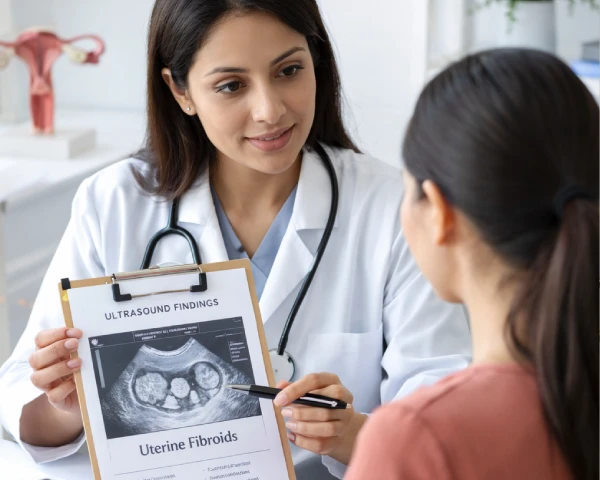
Uterine fibroids are non-cancerous growths that develop in the muscle tissue of the uterus. They are commonly referred to as “leiomyomas” or simply “myomas.” Uterine fibroids can vary in size and can cause symptoms including heavy bleeding, pain in the pelvis, pressure, or other symptoms.
Types of Uterine Fibroids
- Intramural fibroids – These develop within the wall of the uterus and result in heavy periods and pain.
- Subserosal fibroids – These fibroids develop on the outer surface of the uterus and result in pelvic pain or abdominal discomfort.
- Submucosal fibroids – These develop under the lining of the uterus and result in excessive bleeding.
- Pedunculated fibroids – These develop from the uterus via a thin stalk of tissue and and may cause pain or discomfort.
Common Symptoms of Uterine Fibroids
Many women with uterine fibroids may not experience symptoms. However, depending on the size, number, and location of the fibroids, some women may experience the following:
- Heavy Menstrual Bleeding: Periods may become heavier, prolonged, or associated with passage of clots, which in some cases can contribute to anaemia and fatigue.
- Pelvic Pain or Pressure: Some women may experience pelvic pain, pressure, heaviness, or abdominal discomfort.
- Irregular Periods – This occurs due to irregular menstrual periods or bleeding in between periods.
- Urinary Symptoms: Fibroids pressing on the bladder may lead to urinary frequency or a sensation of incomplete bladder emptying.
- Abdominal Fullness or Bloating: Larger fibroids may sometimes cause abdominal enlargement, bloating, or a feeling of fullness.
What Causes Uterine Fibroids
Various factors may contribute to the development of uterine fibroids.
- Hormones – Estrogen and progesterone are believed to influence the growth of fibroids.
- Genetics – A family history of uterine fibroids can increase your chances of developing fibroids.
How Fibroids Can Affect Fertility and Pregnancy
Fibroids may affect fertility and pregnancy in some women, although many women with fibroids are able to conceive and have healthy pregnancies. The impact depends on factors such as the size, number, and location of the fibroids.
- Changes in the Uterine Cavity: Certain fibroids, particularly submucosal fibroids, may alter the shape of the uterine cavity and affect fertility.
- Implantation Issues: In some cases, fibroids may interfere with implantation and early pregnancy.
- Effect on Pregnancy Outcomes: Depending on their size and location, fibroids may be associated with complications such as pain, malpresentation, preterm labour, or cesarean delivery in selected cases.
How are Uterine Fibroids Diagnosed
There are various methods that doctors use to diagnose the presence of fibroids to determine the size, number, and position. The right diagnosis helps in planning suitable uterine fibroid treatment.
– Pelvic examination – The doctor examines the uterus to assess uterine size and abnormalities.
– Ultrasound scan – An ultrasound helps to identify the presence, size, and location of fibroids.
– MRI scan – MRI may be advised in selected cases to assess the size, number, and location of fibroids in greater detail.
– Hysteroscopy – A thin camera is passed through the cervix into the uterus to examine the uterine cavity, and a biopsy may be performed if required.
When Do Fibroids Need Treatment
Treatment for fibroids might be required when these become symptomatic enough to interfere with your daily routine.
- You have excessive menstrual bleeding that interferes with your day-to-day activities.
- You experience persistent pain in the pelvis.
- You have observed changes in your menstrual flow.
- You feel fatigue or weakness as a result of anaemia caused by the excess bleeding.
- You have experienced alterations in your urinary or bowel habits.
Treatment Options for Uterine Fibroids
Fibroid treatment is dependent on factors such as the patient’s symptoms, fibroid size, fertility or future pregnancy plans, and general health.
– Medications: Medications may help manage symptoms such as heavy bleeding or temporarily reduce fibroid size in selected cases.
– Fibroid Embolisation: It entails Reducing the flow of blood to the fibroids and their subsequent shrinking but does not involve any major surgery.
– Myomectomy: It is a surgical procedure that entails removing fibroids from the uterus without removing the uterus.
– Endometrial Ablation: This process may help reduce heavy menstrual bleeding in selected women who have completed childbearing.
– Hysterectomy: Surgical removal of the uterus may be considered in selected women with severe symptoms or when other treatment options are not suitable.
How Dr. Nikita Kulkarni Helps in Managing Uterine Fibroids
Dr. Nikita Kulkarni, provides uterine fibroid treatment in Thane, offers personalised care with comprehensive diagnosis, counselling, and treatment options.
Detailed Diagnosis
She evaluates the patient’s symptoms, fibroid characteristics, fertility goals, and overall health before planning the most suitable treatment approach.
Individualised Treatment Plan
Treatment decisions are made depending on the severity of symptoms, the patient’s age, lifestyle, and fertility or future pregnancy plans.
Advanced Minimally Invasive Techniques
Dr. Nikita Kulkarni specialises in fibroid removal surgery in Thane and performs minimally invasive and laparoscopic procedures using smaller incisions, which may help support reduced Postoperative discomfort, minimal scarring, and faster recovery for suitable patients.

Clear Patient Counselling
All diagnoses and treatment options are carefully explained to help the patient make informed decisions.
Follow-up and Recovery Care
Follow-up consultations help monitor recovery and support long-term gynaecological health.
Management of uterine fibroids depends on individual symptoms, fertility goals, and overall health. Consultation with Dr. Nikita Kulkarni, an obstetrician and gynaecologist in Thane, can help determine the most appropriate evaluation and treatment approach.
Frequently Asked Questions
What is the main cause of uterine fibroids?
The exact cause of uterine fibroids is not fully understood, but hormonal factors such as estrogen and progesterone are believed to play a role in their growth. Genetic and lifestyle factors may also contribute in some women.
What are the symptoms of uterine fibroids?
Uterine fibroids may cause heavy menstrual bleeding, pelvic pain or pressure, abdominal bloating, frequent urination, or pain during menstruation. Some women may have fibroids without experiencing any symptoms.
Can I get pregnant with uterine fibroids?
Many women with uterine fibroids are able to conceive naturally and have healthy pregnancies. However, fertility may be affected in some cases depending on the size, number, and location of the fibroids.
Can uterine fibroids go away without treatment?
Some fibroids may remain stable in size or shrink over time, especially after menopause. Treatment may not always be required if the fibroids are small and not causing significant symptoms.
Can fibroids affect pregnancy?
In some cases, fibroids may increase the risk of complications such as pain, bleeding, malpresentation, preterm labour, or cesarean delivery, depending on their size and location. Regular monitoring during pregnancy may be advised when fibroids are present.
Is surgery necessary for uterine fibroids?
Surgery is not required for all fibroids and depends on factors such as symptoms, fibroid size and location, age, and fertility plans. Treatment options may include observation, medications, minimally invasive procedures, or surgery when medically indicated.