
Urinary Incontinence Treatment in Thane
Urinary incontinence
A lot of women suffer from urinary incontinence, but many don’t even acknowledge that because of fear or embarrassment.
Urinary incontinence is a common health concern that can often be effectively evaluated and managed. If you are looking for urinary incontinence treatment in Thane, Dr. Nikita Kulkarni offers personalised care to help patients manage symptoms, improve bladder control, and regain confidence in their daily lives.
What is Urinary Incontinence
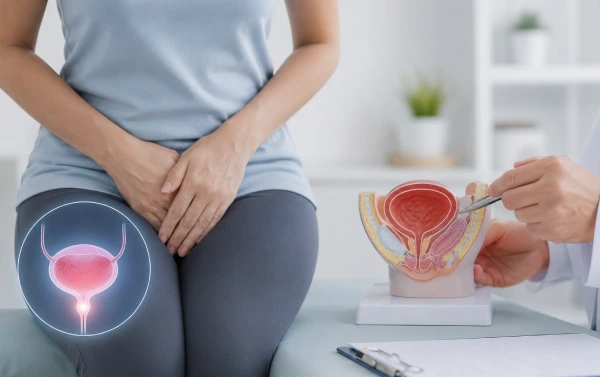
Urinary incontinence is the involuntary leakage of urine and may occur due to problems involving the bladder, urethra, pelvic floor muscles, or the nerves that control urination. Some patients may experience a sudden and intense urge to urinate or difficulty controlling urination due to overactive bladder muscles.
The condition can affect people of different age groups and may interfere with daily activities, social interactions, and overall quality of life. With proper medical evaluation and timely treatment, urinary incontinence can often be effectively managed.
Types of Urinary Incontinence
- Stress incontinence – This type of incontinence is caused by bodily exertion such as coughing, laughing, sneezing, exercise or lifting heavy objects. It commonly occurs due to weakened pelvic floor muscles caused by pregnancy, childbirth, menopause, pelvic surgery, or radiation therapy.
- Urge incontinence – A sudden and intense urge to urinate may lead to accidental urine leakage associated with an overactive bladder. This condition can be caused by neurological disorders affecting the brain, such as Parkinson’s disease and Multiple Sclerosis.
- Mixed incontinence – A combination of stress and urge incontinence conditions.
Common Symptoms of Urinary Incontinence
Consult a doctor in case you experience any of the following symptoms on a regular basis or when they interfere with your daily routine
- Urinary incontinence during activity – Urinary incontinence may occur at the time when one is sneezing, coughing, laughing, exercising, lifting heavy objects or changing position, or even jumping
- Very urgent need for urination – A sudden and urgent need to urinate may lead to involuntary urine leakage.
Urinary incontinence from sudden body movements – Sudden body movements like sitting down or standing up may result in urinary incontinence. - Feeling of incomplete emptying – Some patients may experience a persistent feeling of incomplete bladder emptying after urination.
Causes and Risk Factors
- Overactive bladder muscle – Spontaneous bladder spasms can result in the urgency to urinate and cause involuntary leakage of urine.
Weak pelvic muscles – Factors that contribute to weak pelvic muscles are pregnancy, childbirth, menopause and ageing. - Neurological disorders – Conditions such as Multiple Sclerosis, spinal cord injuries, Parkinson’s disease, and nerve damage can lead to bladder dysfunction.
- Medical and lifestyle factors – Some factors which are responsible for incontinence are diabetes, obesity and immobility, chronic cough, constipation, prior pelvic surgery.
How Urinary Incontinence is Diagnosed
- Review of medical history – The doctor reviews your symptoms, bladder function, urinary habits and overall medical background as part of the assessment.
- Urine and ultrasound examination – A urine test helps diagnose the presence of infection or abnormalities, and ultrasound imaging can identify structural changes or abnormalities in the kidneys, bladder, and urethra.
- Testing of bladder functioning – Stress tests and urodynamic studies help evaluate urine leakage, bladder pressure, and urine storage capacity in selected cases.
- Cystoscopy – This test involves the use of a camera that is inserted through the urethra into the bladder to find any damage in the urinary tract.
Treatment Options for Urinary Incontinence
The doctor will suggest urinary incontinence treatment depending on the type, severity, overall health, and how much the symptoms affect daily routine and comfort.
- Lifestyle modifications – Reducing caffeine consumption, maintaining adequate hydration, and maintaining a healthy body weight can help manage urinary conditions.
- Pelvic floor muscle training – Pelvic floor muscle training helps strengthen the muscles that support the bladder and reduce urine leakage.
- Medications – Doctors may prescribe medications to help control symptoms of an overactive bladder.
- Alternative treatment options involving surgery – For selected patients who do not improve with conservative treatment, options such as urethral bulking agents, sling procedures, neuromodulation, or other interventions may be considered.
When Should You Seek Medical Advice
Early medical advice can help manage symptoms better and prevent urinary incontinence from affecting confidence, comfort and daily activities.
- Urine leakage issues – It is advisable to seek medical guidance if urinary incontinence begins to impact your comfort, confidence, or everyday life.
- Consistent pad use – Frequent use of incontinence pads or the need to change clothes regularly due to urine leakage may require medical attention.
- Lifestyle impact – Urinary incontinence may interfere with daily social interactions, travelling, and overall quality of personal relationships.
- Health risks – Older adults may have an increased risk of injuries due to sudden urges to urinate or unexpected episodes of urine leakage.
- Recurrent urinary tract infections – Frequent urinary tract infections (UTIs), especially when accompanied by urinary leakage, urgency, or difficulty emptying the bladder, should be evaluated by a healthcare professional to identify and address any underlying causes.
- Blood in urine – The presence of blood in the urine (haematuria), whether visible or detected during testing, should be assessed by a doctor, as it may indicate an underlying urinary tract or bladder condition that requires further investigation.
Clinical Approach to Urinary Incontinence Management
The treatment focuses on identifying the cause early and improving bladder control through personalised and supportive care.
- Diagnosis – Management begins with identifying the type and underlying cause of urinary incontinence through clinical assessment and appropriate investigations.
- Conservative management – The first line of treatment commonly includes exercises, bladder training techniques, weight control, and measures to prevent bladder irritation.
- Medication and devices – Medications, pessaries, and bulking agents may be used to manage symptoms that do not respond to initial treatment approaches.
- Invasive techniques – Botulinum toxin injections may be considered in selected patients with refractory overactive bladder.
Consultation with Dr. Nikita Kulkarni, a qualified obstetrician and gynaecologist in Thane can help determine the most appropriate evaluation and management plan based on individual symptoms.
Frequently Asked Questions
What is urinary incontinence?
Urinary incontinence is the involuntary leakage of urine due to a loss of bladder control. It can range from occasional leakage while coughing or sneezing to a sudden, strong urge to urinate that is difficult to control.
What are the common symptoms of urinary incontinence?
Common symptoms of urinary incontinence include leakage of urine while coughing, sneezing, laughing, exercising, or a sudden, strong urge to urinate that is difficult to control. Some women may also experience frequent urination or a feeling of incomplete bladder emptying.
Can urinary incontinence be treated?
Urinary incontinence can often be effectively managed with lifestyle changes, pelvic floor exercises, medications, or procedures, depending on the type and cause of the condition. A medical evaluation can help determine the most appropriate treatment approach for each individual.
Who is at risk of urinary incontinence?
Urinary incontinence is more common in women who have experienced pregnancy and childbirth, menopause, ageing, obesity, chronic cough, constipation, or previous pelvic surgery. Certain neurological conditions and medical disorders may also increase the risk.
When should I see a doctor for urinary incontinence?
It is advisable to consult a doctor if urine leakage is affecting your daily activities, causing embarrassment, requiring regular pad use, or is associated with symptoms such as recurrent urinary tract infections, difficulty emptying the bladder, or blood in the urine. Early evaluation can help identify the cause and guide appropriate treatment.
Which doctor should I consult for urinary incontinence treatment?
An obstetrician and gynaecologist, particularly one with an interest in urogynecology and pelvic floor disorders, can evaluate and manage urinary incontinence. Depending on the underlying cause, referral to a urologist or urogynecologist may sometimes be recommended.