
Bartholin Cyst Treatment in Thane
Compassionate Care for Lasting Relief from Bartholin Cysts
Pain or swelling near the vaginal opening can make even simple daily activities uncomfortable and may affect quality of life. One possible cause is a Bartholin cyst, which develops when the Bartholin gland becomes blocked.
Dr. Nikita Kulkarni provides evaluation and personalised Bartholin cyst treatment in Thane to relieve discomfort and promote a smooth recovery.
What is a Bartholin Cyst?
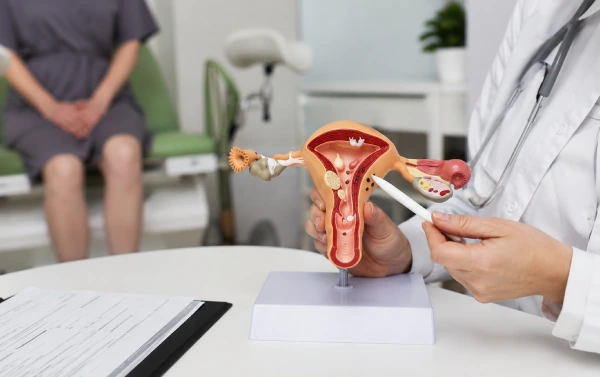
A Bartholin Cyst is a fluid-filled lump that forms when a Bartholin gland near the vaginal opening gets blocked. It may be small and painless at first, but it can grow bigger and cause discomfort, pain, or swelling. An infected Bartholin cyst may become red, tender, and filled with pus. Early evaluation and appropriate treatment helps relieve symptoms, manage infection and reduce the risk of recurrence.
Some women may experience recurrence despite treatment, and further procedures may occasionally be required.
Causes and Risk Factors
- Blocked Bartholin gland duct – The blockage in the gland duct prevents fluid drainage, resulting in cyst formation.
- Bacterial Infection and Abscess Formation – A bacterial infection can cause inflammation of the Bartholin gland or infect an existing Bartholin cyst, leading to the development of a painful abscess. In some cases, certain sexually transmitted infections may also contribute.
- History of Bartholin cyst – Women with a history of Bartholin cyst or abscess are at higher risk of developing another one .
- Reproductive Age – Bartholin cysts are more common in women of reproductive age and are uncommon after menopause.
Signs and Symptoms
- Visible mass – A soft lump may appear near the vaginal opening and can vary in size.
- Pain/Discomfort – Cysts that are larger in size or infected may cause pain when walking, sitting or even during sexual intercourse.
- Swelling/Tenderness – Swelling may be observed along with tenderness in the affected area.
- Inflammation/Redness – In case of infection in the cyst, there will be redness in the affected skin area.
- Discharge – The infected or abscess may occasionally drain pus or foul-smelling discharge
- Difficulty in performing daily activities – Due to pain, sitting or walking becomes painful.
Fever – Fever is usually associated with an infected Bartholin’s cyst.
How is a Bartholin Cyst Diagnosed?
- Symptom analysis – The doctor will analyse your symptoms, such as the lump, pain, swelling, and changes.
Past medical history – Any past Bartholin cysts, infections, or sexually transmitted infections are taken into account. - Pelvic exam – A pelvic examination helps assess the size and location of the cyst and identify signs of infection.
- Additional tests – A swab test or fluid aspiration may be recommended if infection is suspected. In women over 40 years of age, additional evaluation or biopsy may occasionally be recommended.
- Diagnosis confirmation – Other causes of vulvar lumps are ruled out before confirming a Bartholin cyst and planning treatment.
When Should You Seek Medical Care?
- Pain that persists or increases – Consult your doctor immediately if the cyst gets bigger or causes you pain.
- Recurrent cysts – Recurrent Bartholin cysts should be checked by a Gynaecologist.
- Symptoms of infection – Fever, pus, or intense swelling might indicate that your cyst is infected.
- Unidentified lump – Any new or unexplained lump near the vaginal opening should be evaluated by a healthcare professional.
Treatment Options
- Home Care – Warm compresses or a sitz bath may help promote the natural drainage of small, painless Bartholin cysts.
- Drainage procedure – Draining of large, painful or infected cysts or pus can be done by a minor surgery.
- Marsupialisation – A small opening is created in the cyst to allow continuous drainage, reducing the risk of recurrence.
- Word Catheter – A small rubber catheter is inserted into the cyst for a few weeks to keep it open and allow continuous drainage while it heals.
- Antibiotics – Antibiotics will be prescribed in selected cases if there is a bacterial infection or if cellulitis or certain associated sexually transmitted infections are present.
- Surgery – In case of large or recurring Bartholin cysts, the removal of the gland may be recommended.
Recovery and Aftercare
- Recovery time – Recovery time varies depending on the type of procedure performed and individual healing.
- Pain management – Take medications that are prescribed to you or suggested by your doctor.
- Sitz baths – Sitz baths a few times a day will keep the area clean and promote healing.
- Surgical site care – Keep your surgical site clean and dry, as well as follow all directions about dressings and catheters.
- Activity restriction – Do not engage in any strenuous activities and sexual intercourse until your doctor advises that it is safe to resume them. Wear loose-fitting cotton underwear to reduce friction and keep the area comfortable.
When to Seek Prompt Evaluation
Women over the age of 40 who develop a new Bartholin gland lump should seek medical evaluation, as additional assessment or biopsy may occasionally be recommended to exclude rare malignancies.
Can Bartholin Cysts Be Prevented?
Although Bartholin cysts cannot always be prevented, maintaining good genital hygiene, practising safer sex, and seeking early treatment for vaginal or sexually transmitted infections may reduce the risk of infection and complications.
Dr. Nikita Kulkarni’s Approach to Management
– Personalised Evaluation
Each patient is assessed individually for their symptoms, medical history, and health requirements prior to formulating a treatment plan.
– Medical Treatment
Recommendations for treatment are formulated from current evidence and clinical guidelines to for appropriate and evidence-based care.
– Advanced Clinical Expertise
Advanced surgical training and experience allow the delivery of safe and appropriate care for a wide range of gynaecological conditions.
– Preventive Women’s Health Care Services
Ongoing follow-up and preventive care help support long-term gynaecological health and well-being.
– Compassionate Medical Care
Effective communication, professional ethics, and continuous support help patients understand their problem and the available treatment and rehabilitation options.

If you notice a painful lump, swelling, or recurrent symptoms near the vaginal opening, consultation with a gynaecologist can help determine the most appropriate evaluation and treatment plan. Schedule a consultation with Dr. Nikita Kulkarni, gynaecologist in Thane for proper care and diagnosis.
Frequently Asked Questions
What is a Bartholin's cyst?
A Bartholin’s cyst is a fluid-filled swelling that develops when one of the Bartholin glands, located near the vaginal opening, becomes blocked. It may be small and painless or become enlarged, uncomfortable, or infected in some women.
What are the symptoms of a Bartholin's cyst?
A Bartholin’s cyst may cause a painless lump near the vaginal opening, swelling, tenderness, or discomfort while walking, sitting, or during sexual intercourse. If the cyst becomes infected, it may cause severe pain, redness, fever, and pus discharge.
What causes a Bartholin's cyst?
A Bartholin’s cyst develops when the duct of a Bartholin gland becomes blocked, causing fluid to build up inside the gland. In some cases, infection or inflammation may contribute to blockage or lead to the formation of a painful abscess.
How is a Bartholin's cyst treated?
Treatment for a Bartholin’s cyst depends on its size, symptoms, and whether it is infected. Small, painless cysts may only require warm sitz baths, while larger or infected cysts may need drainage, a Word catheter, marsupialisation, or, in recurrent cases, surgical removal of the gland.
When should I see a doctor for a Bartholin's cyst?
You should consult a doctor if the cyst becomes painful, increases in size, shows signs of infection such as redness, fever or pus discharge, or keeps coming back. Any new Bartholin gland lump in women over the age of 40 should also be evaluated by a healthcare professional.
Which doctor should I consult for Bartholin's cyst treatment?
An obstetrician and gynaecologist can diagnose and manage a Bartholin’s cyst and recommend the most appropriate treatment based on your symptoms and clinical findings. Women with recurrent or complicated cysts may require minor surgical procedures or specialised care.