
Hysteroscopy Treatment in Thane
Gestational diabetes can develop during pregnancy and requires timely diagnosis and appropriate management to support the health of both mother and baby.
Dr. Nikita Kulkarni offers personalised gestational diabetes treatment in Thane with comprehensive monitoring, lifestyle guidance, and individualised treatment plans to support a safe and healthy pregnancy.
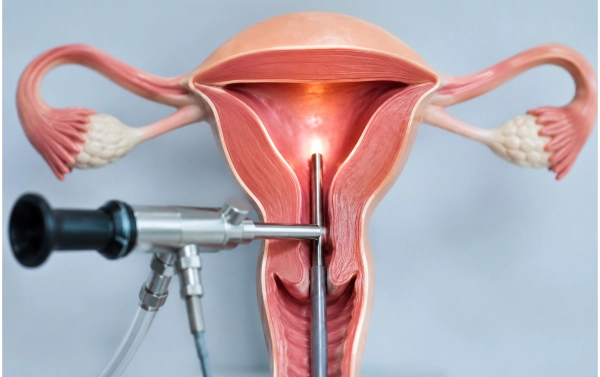
What is Hysteroscopy?
During hysteroscopy, a thin, lighted instrument called a hysteroscope is inserted through the cervix into the uterus to examine the inside of the uterine cavity. The procedure may be performed to diagnose, evaluate, and treat certain conditions affecting the uterine cavity. Hysteroscopy does not involve making any incisions externally on the patient’s body.
Why is Hysteroscopy Performed?
Hysteroscopy is generally performed to diagnose and treat conditions affecting the uterus. Some of the reasons your physician may suggest this test are:
- Abnormal uterine bleeding
- Infertility
- Recurrent pregnancy loss
- Uterine polyps
- Fibroids
- Adhesions
- Retained pregnancy tissue
- Abnormal findings on an ultrasound.
- Removal of misplaced IUCD (when the retrieval strings are not visible or when hysteroscopic removal is clinically indicated)
- Congenital uterine abnormalities (such as a uterine septum)
It also allows certain abnormalities to be treated during the same procedure, reducing the need for more invasive surgery.
Types of Hysteroscopy
Diagnostic Hysteroscopy
Diagnostic hysteroscopy is performed to examine the inside of the uterine cavity and identify conditions such as endometrial polyps, submucosal fibroids, intrauterine adhesions, or uterine abnormalities. It may be recommended when evaluating abnormal uterine bleeding, infertility, recurrent pregnancy loss, or abnormal findings on ultrasound.
Office Hysteroscopy
Office hysteroscopy refers to hysteroscopy performed in an outpatient or clinic setting, usually using a thin hysteroscope. In appropriately selected patients, diagnostic hysteroscopy and certain minor procedures may be performed without general anaesthesia. The patient is generally able to return home shortly after the procedure.
Operative Hysteroscopy
Operative hysteroscopy is used to treat abnormalities identified within the uterine cavity. Procedures may include hysteroscopic removal of endometrial polyps, selected submucosal fibroids, intrauterine adhesions, retained pregnancy tissue, or division of a uterine septum when clinically indicated. Depending on the type and complexity of the procedure, sedation or anaesthesia may be required, and the procedure may be performed in a day-care or operating-theatre setting.
The type of hysteroscopy recommended depends on the suspected condition, the procedure required, the patient’s medical history, and individual clinical circumstances. Your gynaecologist will discuss the most appropriate approach with you before the procedure.
Who May Need a Hysteroscopy
Your doctor will assess your symptoms, medical history and overall health to determine if hysteroscopy is suitable for you. This procedure may be advised for women with symptoms or conditions affecting the uterus such as women with abnormal uterine bleeding after menopause (when clinically indicated). However, hysteroscopy is generally not recommended if:
- You are pregnant
- You have an active pelvic infection.
What Conditions Can Be Diagnosed or Treated with Hysteroscopy
- Endometrial Polyps – Removal of noncancerous polyps that can cause uterine bleeding or infertility.
- Submucosal (Fibroids) Myomas – Selected fibroids projecting into the uterine cavity may be removed hysteroscopically without external abdominal incisions.
- Uterine Septum – Hysteroscopic division of a uterine septum may be performed in selected women when clinically indicated.
- Adhesions (Asherman’s syndrome) – Removal of adhesions from inside the uterus.
- Abnormal Uterine Bleeding – Identifies and treats the underlying cause of abnormal bleeding.
Hysteroscopy for Infertility and Before IVF
Hysteroscopy is used to examine the uterine cavity for conditions that can cause infertility, like endometrial polyps, submucous fibroids, intrauterine adhesions (scar tissue), and uterine septum.
It may be recommended by fertility experts prior to IVF in selected women, such as if there have been multiple IVF failures, recurrent miscarriages, unexplained infertility, or abnormal results on imaging studies. Hysteroscopy enables the diagnosis and treatment of various uterine conditions like these.
Benefits of Hysteroscopy
- Minimally Invasive Treatment: The procedure is performed without external incisions, helping reduce discomfort and supports quick recovery.
- Same-Day Discharge: Many diagnostic and operative hysteroscopy procedures are performed as day-care procedures, allowing patients to return home the same day when clinically appropriate.
- Diagnosis and Treatment – Diagnosis and treatment may often be performed during the same procedure, reducing the need for separate procedures in selected cases.
- Management of Conditions That May Improve Fertility – Treatment of selected uterine cavity abnormalities may improve reproductive outcomes in appropriately selected women.
- Abnormal Uterine Bleeding Management – Helps to diagnose and treat the underlying cause of abnormal uterine bleeding.
Risks and Possible Complications of Hysteroscopy
Hysteroscopy is generally a safe procedure, but like any medical procedure, it carries a small risk of complications.
Possible Risks
- Infection
- Bleeding
- Damage to the cervix
- Uterine perforation
- Complications related to fluid absorption or anaesthesia
- Rare injury to nearby organs, including the bladder or bowel
- Intrauterine adhesions (rare after extensive procedures)
- Need for repeat procedure (occasionally)
- Incomplete procedure due to technical limitations or poor visualisation (occasionally)
Contact Your Doctor Immediately If You Experience
- Pain that remains severe even after using prescribed pain relief
- Heavy bleeding
- High fever
- Chills
- Persistent abdominal pain or evidence of a pelvic infection
- Foul-smelling or unusual vaginal discharge
- Persistent vomiting or feeling significantly unwell
Recovery After Hysteroscopy
- Recovery Time – Most women resume light daily activities within 24 to 48 hours. Recovery after Operative hysteroscopy may require a longer period depending on the procedure performed.
- Pain – Mild cramping is common and usually improves with prescribed or over-the-counter pain medication.
- Bleeding – Light vaginal spotting may continue for up to two weeks.
- Resuming Work and Intercourse – Return to work depends on your recovery. Avoid intercourse until bleeding has stopped or as advised by your gynecologist. Your doctor will advise when you can resume exercise, swimming, tampon use, and sexual intercourse depending on the procedure performed.
Dr. Nikita Kulkarni’s Approach to Hysteroscopy Treatment
- Comprehensive Assessment – Dr. Nikita Kulkarni, a Gynecologist in Thane, conducts a complete evaluation of your symptoms, medical history and the results of tests in order to provide you with individualized treatment planning.
- Minimally Invasive Treatment – Diagnostic or operative hysteroscopy is planned according to the underlying condition and individual clinical requirements.
- Individualised Treatment – The procedure, expected benefits, alternatives, possible risks, anaesthesia options, and recovery are discussed before treatment.
- Compassionate Care – Dr. Nikita Kulkarni provides all necessary explanations and supports you throughout the entire course of treatment.
Book your consultation today for hysteroscopy surgery in Thane.