Table of Contents
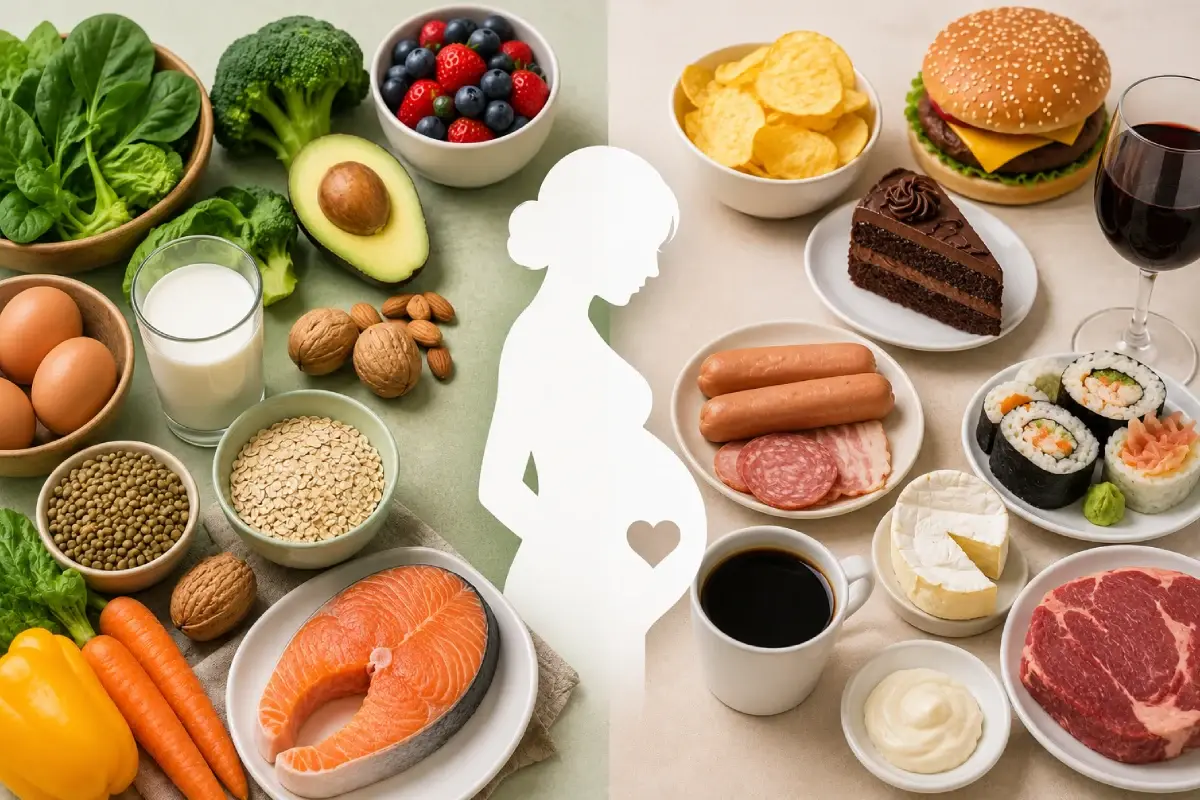
Nutrition during pregnancy plays an important role in supporting maternal health and fetal development. A balanced pregnancy diet with adequate vitamins, minerals, protein, and hydration can help meet the increased nutritional demands of pregnancy.
Wondering what foods you should include in your daily intake and what foods you shouldn’t? Here comes your ultimate guide to a proper pregnancy diet.
Why Nutrition Matters During Pregnancy
Pregnancy places greater nutritional and physical demands on your body to support your baby’s growth and development. Every stage of your pregnancy requires essential nutrients for the proper development of your baby’s organs, bones and the brain.
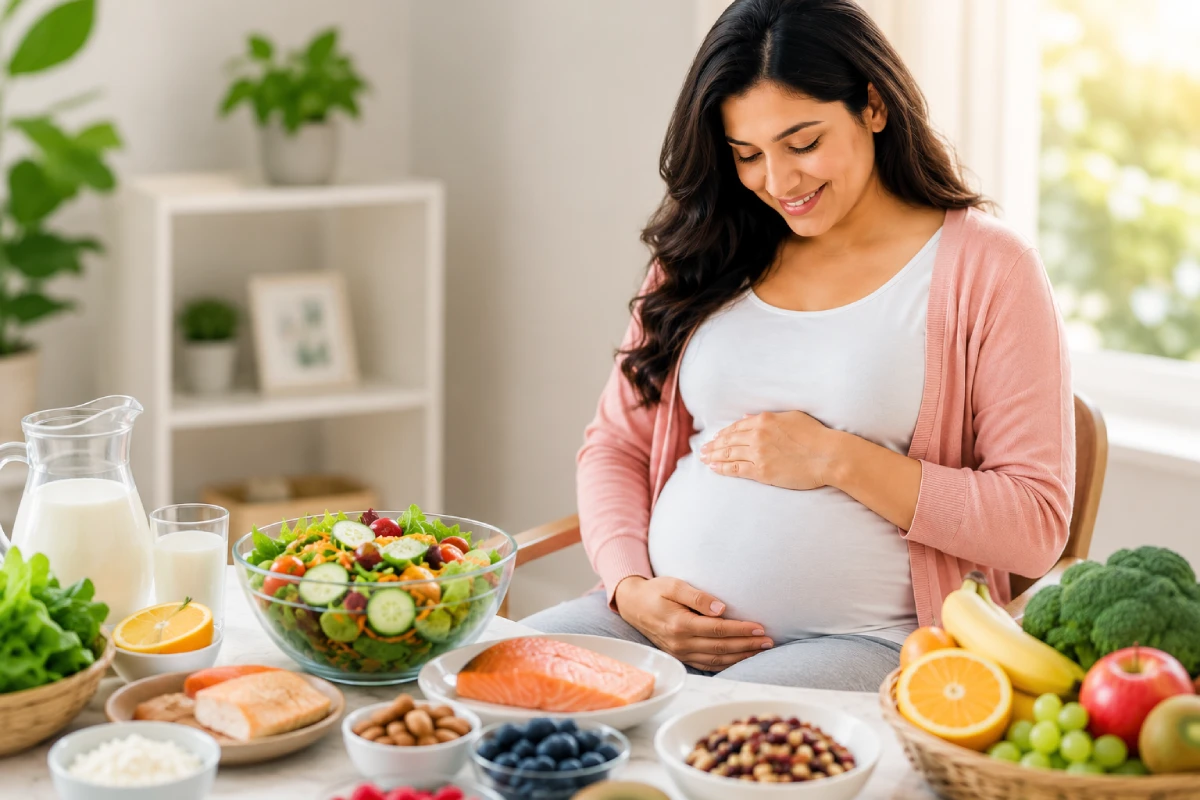
A nutritional pregnancy diet plan helps you to keep yourself energised, to have adequate body weight during pregnancy, prevent nutrient deficiencies, and make the pregnancy process easier for you.
Adequate intake of nutrients during pregnancy can help reduce the risk of certain complications and support recovery after childbirth. A balanced diet rich in essential vitamins, minerals, proteins, and fluids is important for the overall health of both the mother and baby.
Women planning for normal delivery in Thane are often advised to follow a healthy lifestyle throughout pregnancy, including proper nutrition and regular prenatal check-ups. Dr Nikita Kulkarni guides expecting mothers on maintaining a nutritious diet and recommends supplements when required, based on individual health needs.
While many essential nutrients can be obtained through a healthy diet, some women may require additional supplementation during pregnancy to support healthy fetal development and maternal well-being.
Essential Nutrients that Must Be Taken During Pregnancy
Your body requires certain vitamins and minerals in small amounts for normal functioning and overall health. However, the need for these vitamins and minerals increases significantly during pregnancy.
Folic Acid
Folic acid is an important nutrient that supports the healthy development of the baby’s brain and spinal cord during pregnancy. It plays a key role in reducing the risk of certain birth-related complications, especially during the early stages of pregnancy.
Including folic acid-rich foods and supplements is considered an important part of the best diet for pregnancy. Green leafy vegetables, citrus fruits, beans, and fortified cereals are common dietary sources of folic acid. However, diet alone may not always be sufficient during pregnancy. A daily folic acid supplement is commonly recommended before conception and during early pregnancy.
Food sources rich in folate include:
- Spinach and leafy vegetables
- Fortified cereals
- Lentils
- Beans
- Fortified milk products
Pregnant women with specific medical conditions may require increased nutrient intake during pregnancy. Seeking medical advice is recommended in such situations.
Iron
This nutrient assists in creating haemoglobin which acts as the oxygen transporter within the body.
Pregnancy increases blood production in the body, which raises the need for iron to support healthy oxygen supply for both mother and baby.
Food Sources Containing Iron
Iron from animal sources is more absorbable than that from plants:
- Lean red meat
- Chicken
- Fish
Plant-based options include:
- Spinach
- Lentils
- Chickpeas
- Fortified cereals
- Eggs
Adding both sources to your meals helps maintain healthy iron levels.
Pair Iron with Vitamin C
Vitamin C improves iron absorption, especially from plant-based foods.
Good vitamin C sources include:
- Oranges
- Kiwi
- Strawberries
- Bell peppers
- Tomatoes
Consuming iron-rich foods helps to improve iron absorption.
Avoid Tea and Coffee Immediately After Meals
Tea and coffee may reduce the absorption of iron, particularly from plant-based foods. Avoiding tea or coffee immediately after meals and maintaining a gap of about one hour may help improve iron absorption.
Iron Supplementation
Iron levels may be monitored during pregnancy through regular blood tests. If iron deficiency is identified, your doctor may recommend iron supplementation to help prevent anaemia and related symptoms such as fatigue, weakness, or dizziness.
Calcium for Healthy Bones
Calcium plays a crucial role in the formation of your baby’s bones and teeth while also helping maintain the mother’s bone health during pregnancy. It also supports proper muscle and nerve function, which is important for overall maternal and fetal well-being.
Sources of Calcium
- Milk
- Cheese
- Yoghurt
- Fortified plant-based milk
Low-fat and full-fat dairy products usually contain the same amount of calcium.
Non-Dairy Alternatives
People who avoid dairy can choose:
- Fortified almond milk
- Soy milk
- Tofu
- Sesame seeds
- Calcium fortified foods
Consulting your doctor can help determine whether you need additional supplements or not.
Omega-3s for Brain & Vision Development
Omega-3s are crucial for the brain and vision development of your baby.
Along with oily fish here are some of the best sources.
Recommended Sources
Consume between 1 and 2 portions of low-mercury oily fish such as:
- Salmon
- Sardines
- Trout
- Mackerel
Plant-based alternatives include:
- Walnuts
- Chia seeds
- Flaxseeds
The absorption from plants might be less. Therefore, supplementation might be helpful to certain women.
Vitamin D For Good Health
Vitamin D plays an important role in calcium absorption. It also promotes better immunity and proper muscle function.
Sunlight exposure can help you obtain your vitamin D. A healthy pregnancy diet can provide some amount of Vitamin D, but supplements are often recommended to maintain adequate levels during pregnancy.
Sources of Vitamin D
Include:
- Fatty fish
- Egg yolks
- Fortified milk
- Enriched grains
Vitamin D supplementation may be advised if dietary intake or blood levels are inadequate.
Iodine and Thyroid Glands
Iodine supports the production of thyroid hormones, which are essential for maintaining healthy metabolism during pregnancy.
Pregnancy enhances iodine requirements.
Foods That Contain Iodine
Common sources include:
- Dairy products
- Eggs
- Seafood
- Iodised salt
Iodine is included in prenatal vitamins, but it is advisable to check the formulation before consuming.
Managing Special Diets and Nutritional Needs During Pregnancy
A well-planned vegetarian or vegan diet during pregnancy can provide the essential nutrients needed to support a healthy pregnancy.
One should take special note of:
- Iron
- Vitamin B12
- Calcium
- Omega – 3
- Iodine
- Protein
In some cases, the doctors may prescribe certain supplements based on their identification of any deficiency of certain nutrients. A high protein diet in pregnancy can also be recommended as a component of an overall nutritious diet program.
The Real Story Behind “Eating for Two”
A common misconception during pregnancy is the idea of “eating for two,” which may lead to excessive calorie intake. While nutritional needs do increase during pregnancy, maintaining a balanced and nutritious diet is more important than simply eating larger quantities of food.
Excessive weight gain during pregnancy may be associated with complications such as gestational diabetes and other maternal health concerns.
Extra calories needed:
Second trimester:
An additional intake of approximately 250–350 calories per day (for a singleton pregnancy) may be advised during the second trimester, depending on individual nutritional needs and activity levels.
Nutritious snack or meal options may include:
- A bowl of fruits along with some yoghurt
- Grain bread mixed with some peanut butter
- Poha with peanuts and vegetables
- Vegetable upma
- A glass of milk with dry fruits
- Whole wheat roti with paneer or peanut chutney
- Idli with sambar
- Sprouts chaat or boiled chana
Third trimester:
During the third trimester, nutritional requirements increase further, and approximately 450 additional calories (for singleton pregnancy) per day may be needed depending on individual health and activity levels.
Nutritious snack or meal options may include:
- A nutritious sandwich with some veggies
- A fruit juice along with some nuts and seeds
- Vegetable paratha with curd
- Khichdi with ghee and vegetables
- Paneer bhurji with roti
- Idli or dosa with sambar
- Handful of nuts with fruit and milk
- Sprouts chaat or boiled chana
- Poha or vegetable upma
- Dal-rice with vegetables and salad
Calorie and nutritional requirements may vary based on pre-pregnancy weight, physical activity, and whether the pregnancy is singleton or multiple.
Conclusion
A proper diet during pregnancy makes an enormous contribution to ensuring the proper development of your baby and well-being throughout pregnancy. Nutritional needs during pregnancy can vary between individuals. Consultation with a qualified obstetrician, gynaecologist, or nutrition professional can help tailor dietary guidance based on individual health needs and pregnancy requirements.
Dr. Nikita Kulkarni an Obstetrician and Gynecologist in Thane, having 12+ years of Healthcare experience, provides pregnancy care and nutritional guidance to assist you in coping with various issues during pregnancy. Dr. Nikita Kulkarni has considerable expertise in the area of obstetrics and gynaecology.
Consultation with a qualified obstetrician and gynaecologist can help individualise nutritional guidance during pregnancy.