Table of Contents
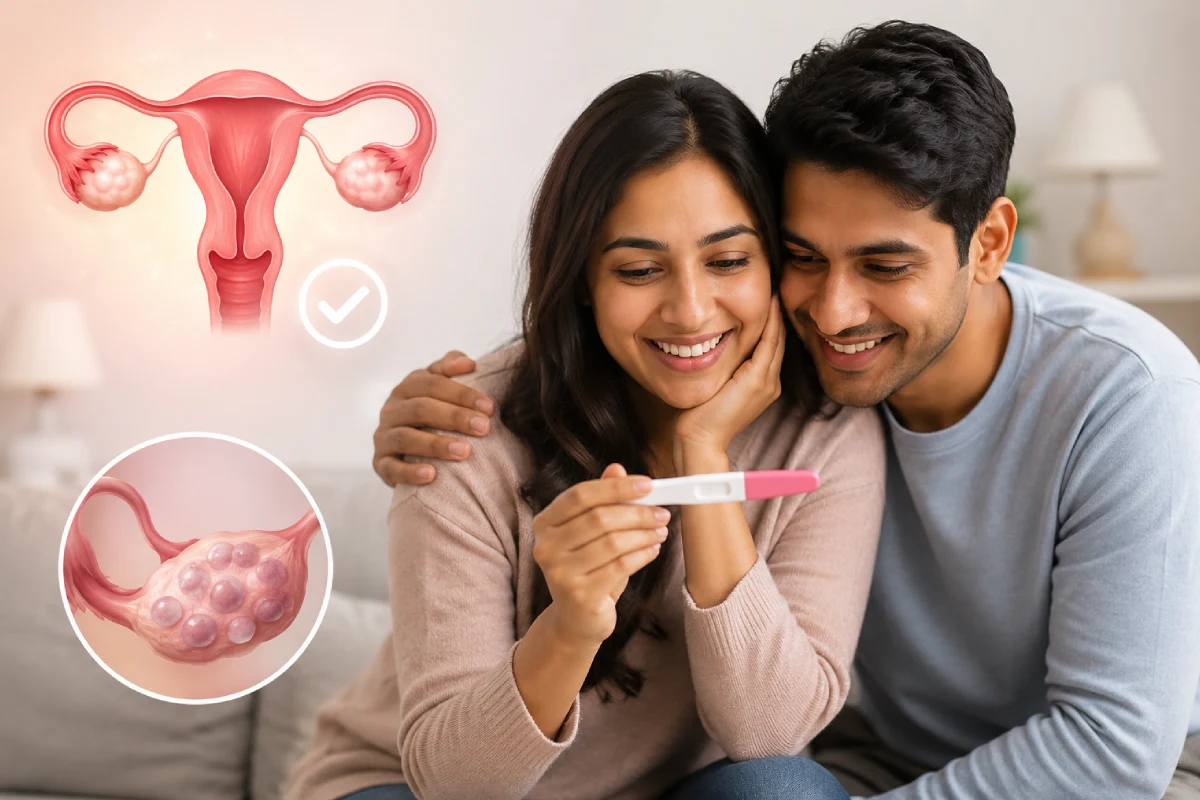
PMOS can affect ovulation and may make conception more challenging for some women. When discussing PMOS and fertility, it is important to understand that many women with PMOS are still able to conceive naturally with appropriate lifestyle changes and medical support.
Recently, some experts have proposed the term Polyendocrine Metabolic Ovarian Syndrome (PMOS) to better reflect the metabolic and hormonal aspects of the condition. However, the term PCOS (Polycystic Ovary Syndrome) continues to be used in most international guidelines..
Many women with PMOS are able to conceive naturally with appropriate lifestyle measures, medical guidance, and regular monitoring. Every woman’s experience with PMOS is different, and fertility outcomes depend on several factors, including ovulation patterns, metabolic health, age, and appropriate medical management.
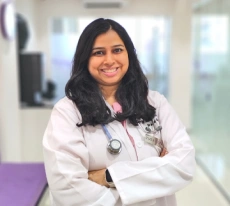
Women planning pregnancy can consult Dr. Nikita Kulkarni for prenatal care, pregnancy monitoring, and guidance tailored to their individual health needs. If you are exploring options for your pregnancy journey and normal delivery in Thane, consulting a qualified obstetrician and gynaecologist can help provide appropriate guidance and pregnancy care.
Understanding how PMOS affects fertility can help women make informed decisions about family planning and seek timely medical advice.
About PMOS and Fertility
PMOS is a complex hormonal and metabolic condition that can affect ovulation, menstrual cycles, and reproductive health. In women with PMOS, hormonal imbalance can affect the regular release of eggs from the ovaries (ovulation), which may impact fertility.
Not all women with PMOS experience infertility, and the degree of ovulatory dysfunction varies considerably between individuals.
PMOS can affect fertility primarily by disrupting normal ovulation. Hormonal imbalance, including higher androgen levels and insulin resistance, may interfere with the development and release of eggs from the ovaries, leading to irregular or absent ovulation.
Common factors that may affect fertility in PMOS include
- Hormonal imbalance and increased androgen levels
- Irregular or absent menstrual cycles
- Insulin resistance and metabolic changes
- Delayed, infrequent or absent ovulation
- Difficulty losing weight
- Sleep disturbances or obstructive sleep apnoea in some women
PMOS does not mean infertility. Many women with PMOS are able to conceive naturally, although some may require lifestyle modifications, medical support, or additional fertility evaluation.
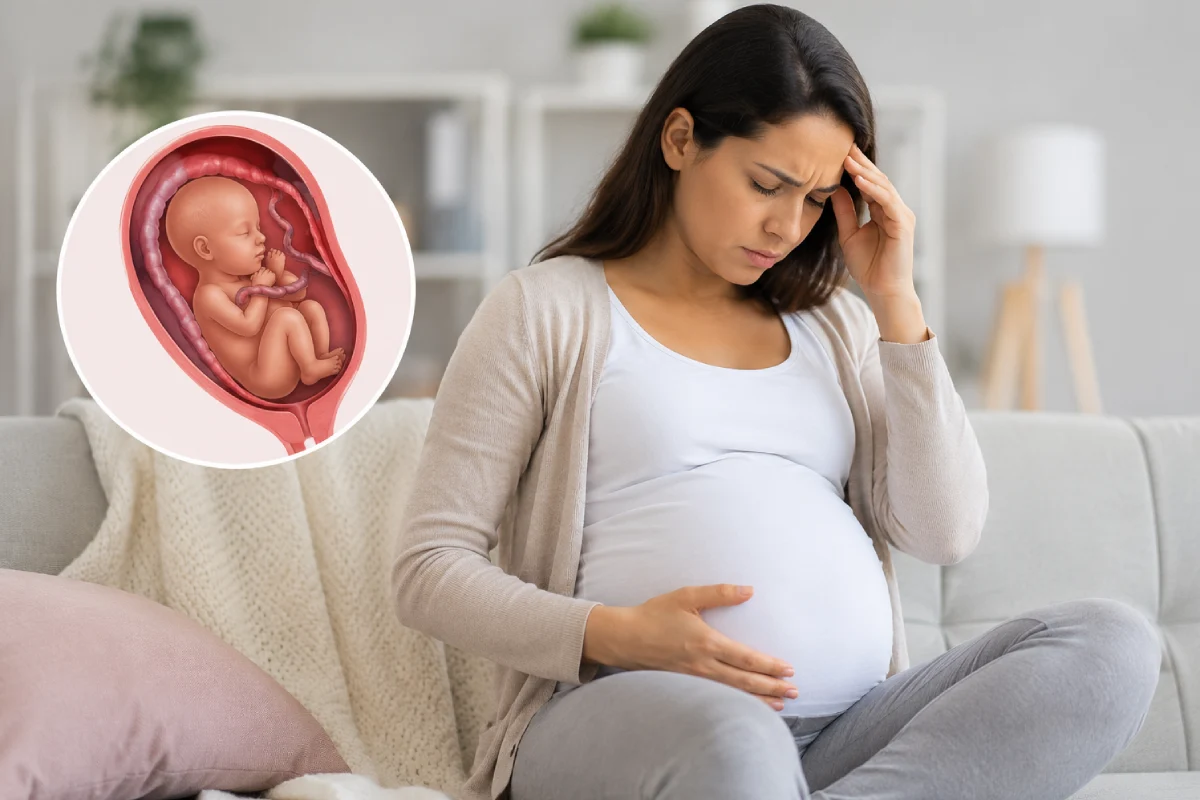
Women with PMOS may have a slightly higher risk of miscarriage, gestational diabetes, and hypertensive disorders of pregnancy. However, appropriate preconception care and good pregnancy monitoring can significantly improve outcomes. Preconception optimization of weight, blood sugar, and metabolic health may help reduce pregnancy complications.
Common Symptoms of PMOS
The symptoms of PMOS differ from individual to individual. Some women might experience obvious symptoms, but some might be unaware that they have PMOS until they begin planning a pregnancy.
Some common symptoms are
- Irregular or infrequent menstrual periods
- Hirsutism (Excess facial or body hair growth)
- Acne or oily skin
- Weight gain or difficulty managing weight
- Hair thinning or increased hair fall
- Difficulty conceiving due to irregular ovulation
- Mood changes or low mood in some women
- Darkening of skin folds (acanthosis nigricans)
Some women with PMOS may continue to have regular menstrual cycles. Although regular periods can suggest ovulation, Ovulatory dysfunction can occasionally occur in certain cases, and medical evaluation may be helpful if symptoms or fertility concerns are present.
Can You Get Pregnant Naturally with PMOS?
Many women ask, can PMOS affect pregnancy? Many women with PMOS are able to conceive naturally, although irregular ovulation may make conception more difficult in some cases. Lifestyle measures, including balanced nutrition, regular physical activity and weight management where appropriate, may support metabolic and reproductive health. Some women may also require medical treatment based on their individual metabolic and fertility assessment.
It is important to remember that every woman’s body responds differently to PMOS. Some may conceive naturally within a few months, while others may need extra medical support to regulate ovulation. Early diagnosis and timely guidance from a doctor can improve the chances of a healthy pregnancy.
Chances of Getting Pregnant with PMOS Naturally
The likelihood of natural conception varies from person to person and may depend on factors such as ovulation patterns, symptom severity, age, metabolic health, and overall management.
Several lifestyle and medical interventions may improve fertility outcomes in women with PMOS.
- Maintain a Healthy Body Weight
In women who are overweight or obese, even modest weight reduction may improve ovulation and fertility outcomes.
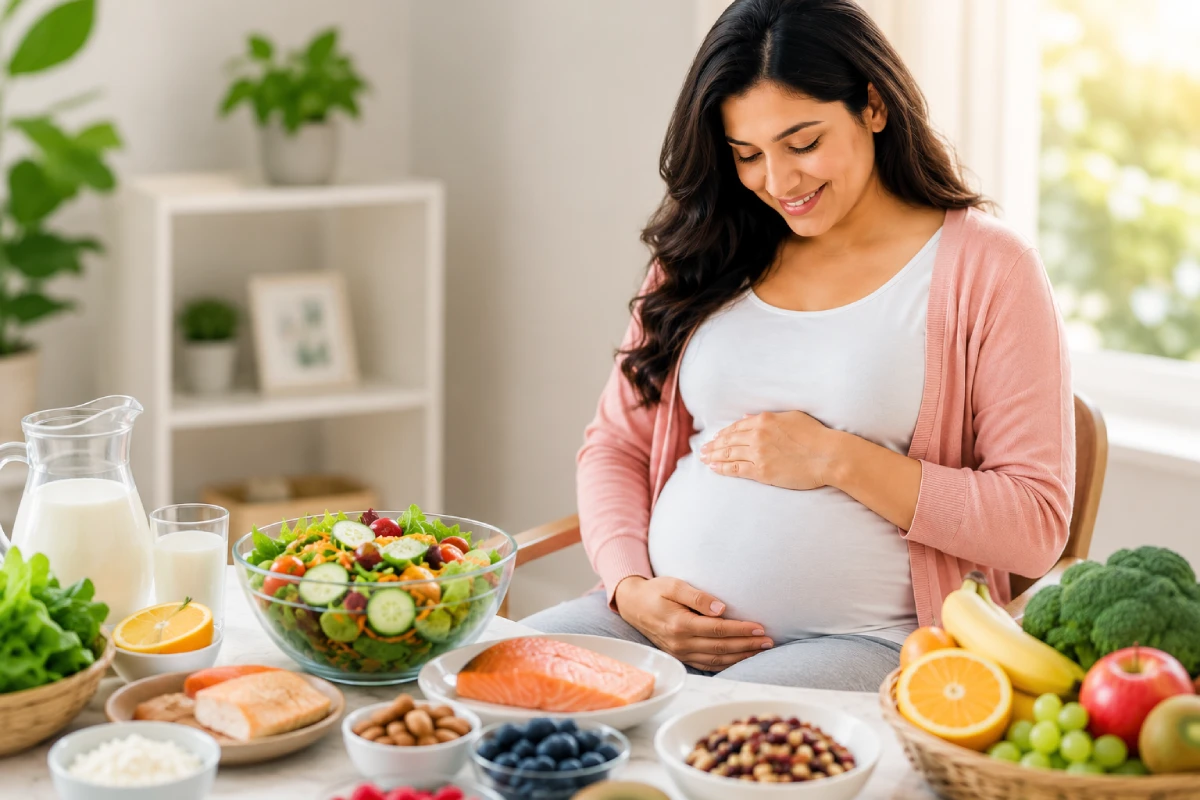
- Have a Healthy Diet
Healthy eating can assist in managing insulin resistance that is related to PMOS.
- Ovulation Tracking
Ovulation tracking using menstrual calendars, ovulation predictor kits, or ultrasound monitoring may help identify the fertile window, although ovulation predictor kits may be less reliable in some women with PMOS.
- Physical Exercise
Regular physical activity may improve insulin sensitivity and support ovulatory function.
- Managing Stress
Stress management may support overall well-being and reproductive health.
Changes in lifestyle could be beneficial for ovulation and fertility for PMOS patients.
Conception with PMOS After Age 30
As fertility naturally declines with age, with a more noticeable decline after the mid-30 getting pregnant with PMOS after 30 may become more challenging for some women. However, many women are still able to achieve pregnancy with appropriate lifestyle management and timely medical care.
Common recommendations may include
- Preconception evaluation and counselling
- Monitoring ovulation and menstrual regularity
- Maintaining a balanced diet and regular physical activity
- Timely medical evaluation if conception is delayed
Good reproductive health management can improve outcomes significantly.
Conception and Pregnancy with PMOS After 40
Women with PMOS over 40 may experience
- Reduced ovarian reserve
- Changes in egg quality
- Longer time to conception
- Increased risk of certain pregnancy complications such as miscarriage, gestational diabetes and hypertension.
- Increased risk of chromosomal abnormalities due to advancing maternal age.
Fertility treatment options may be considered in these scenarios, especially if pregnancy complications or age-related fertility concerns are affecting conception. Some women require advanced fertility procedures, while some can conceive naturally with appropriate lifestyle measures and medical support.
Seeking guidance from a gynaecologist can help women understand their fertility health better and choose the most suitable treatment plan for pregnancy after 40.
When Should You Consult a Fertility Specialist?
Medical evaluation may be advisable if conception is taking longer than expected, especially in women with PMOS or irregular ovulation. Consultation with a fertility specialist or obstetrician and gynaecologist may be helpful if you:
- Have been trying to conceive for over a year – However, women with very irregular or absent periods, known ovulatory dysfunction, or other factors that may affect fertility may benefit from earlier evaluation
- Are above 35 years of age and have been trying for more than 6 months However, women with very irregular or absent periods, known ovulatory dysfunction, or other factors that may affect fertility may benefit from earlier evaluation
- Have irregular or absent menstrual cycles
- Have medical conditions that may affect fertility
- Have had recurrent pregnancy loss
A detailed evaluation can help identify possible causes and guide appropriate treatment or fertility planning.
When to seek early fertility evaluation?
- Partner with known or suspected male factor infertility.
- Previous pelvic surgery or endometriosis.
- Any other condition known to affect fertility.
Does Every Woman with PMOS Need Fertility Treatment?
Many women with PMOS conceive naturally. Others may benefit from ovulation induction, treatment of insulin resistance, or fertility treatments depending on age, ovarian reserve, duration of infertility, tubal factors and semen analysis. IVF is not required for every woman with PMOS.
Common Myths About PMOS and Pregnancy
- Myth 1: You Can’t Have Babies With PMOS
Reality: PMOS does not necessarily prevent pregnancy, and many women are able to conceive naturally.
- Myth 2: Only Obese Women Can Have PMOS
Reality: This condition is not limited to obese women
- Myth 3: You Need IVF for Infertility Caused by PMOS
Reality: Lifestyle modifications and medical treatment may help improve ovulation and fertility in many women with PMOS, and IVF may not always be necessary
- Myth 4: Women with PMOS Cannot Have Healthy Pregnancies
Reality: Many women with PMOS can have healthy pregnancies with appropriate medical care and monitoring
Conclusion
Many women can conceive naturally, and improving the chances of fertility often starts with healthy lifestyle changes and appropriate medical care. Taking care of your health can help improve the chances of conception.
Nikita Kulkarni is an experienced Consultant Obstetrician and Gynecologist in Thane, who has over 12 years of experience in healthcare. The areas of practice handled by her include PMOS treatment in Thane, basic infertility problems, normal pregnancy and high-risk pregnancy, among others.
If you have concerns regarding PMOS pregnancy complications and fertility, a consultation can help assess your condition and discuss appropriate management options.