Table of Contents
Pregnancy brings significant physical and emotional changes, and good nutrition plays a vital role in supporting both maternal health and fetal development. A balanced diet provides the energy and nutrients needed for healthy growth while reducing the risk of nutritional deficiencies and certain pregnancy-related complications. Understanding what food to avoid during pregnancy is equally important, as avoiding potentially harmful foods can help protect both the mother and the developing baby.
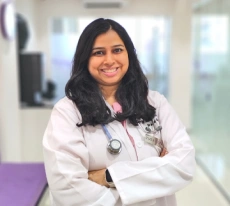
Dr. Nikita Kulkarni, Consultant Obstetrician and Gynaecologist in Thane with over 12 years of experience in healthcare, guides expectant mothers through every stage of pregnancy, including high-risk cases.
Her evidence-based guidance helps women understand their nutritional needs and make informed food choices that promote a healthy pregnancy.
Dos of Pregnancy Nutrition – Foods to Eat
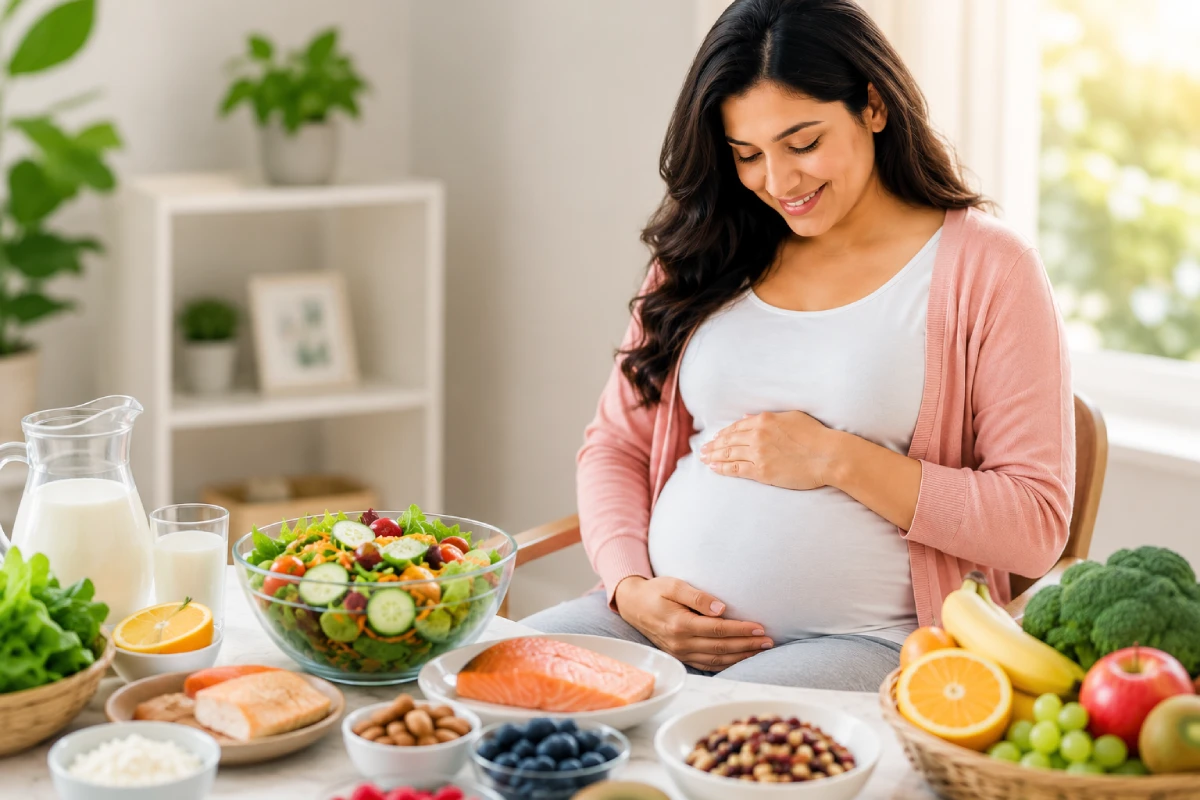
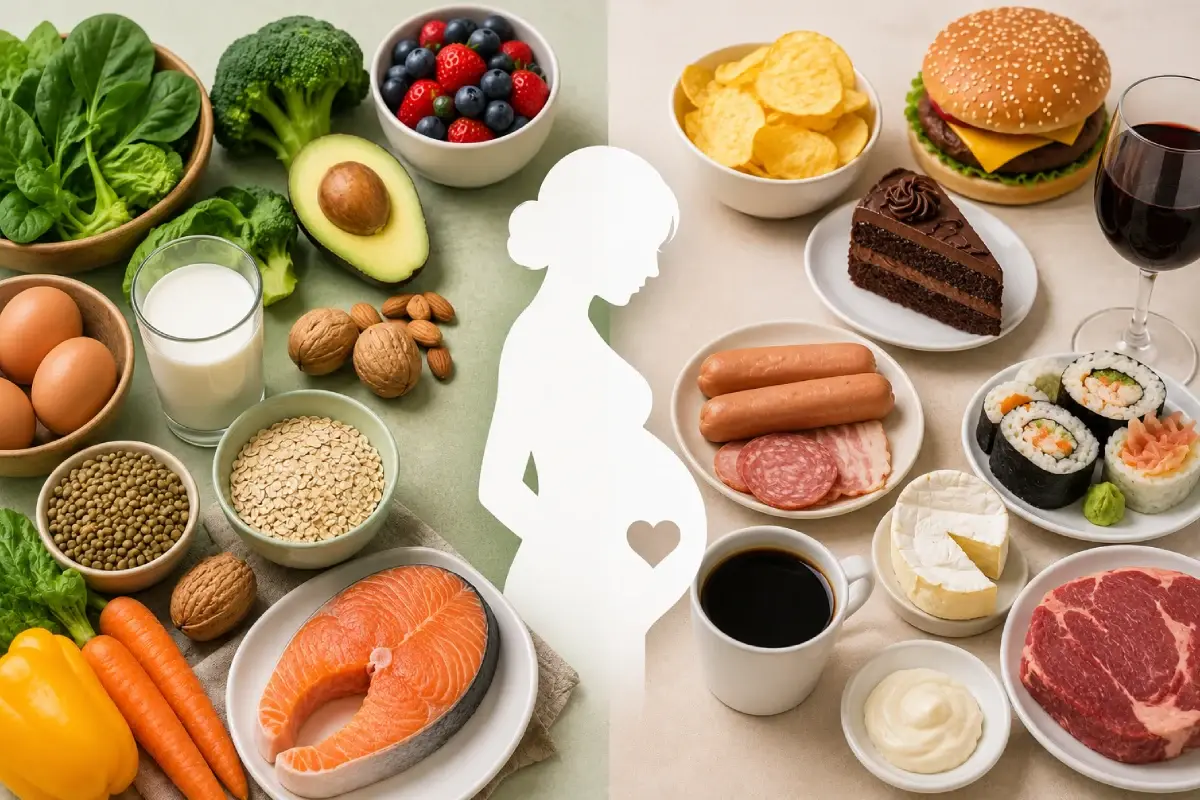
The nutritional guidelines for pregnant women come from different sources. One of the best ways to maintain a healthy diet is by following the nutritional guidance provided by your doctor. There are numerous foods to eat during pregnancy which provide important nutrients for the health of both mother and baby. Some of the foods to eat during pregnancy for essential nutrition and healthy development are as follows:
Have a Balanced Diet Every Day
Fruits, vegetables, grains, protein-rich foods and dairy products must be included in the diet. These foods provide a variety of nutrients that help support the nutritional needs of both mother and baby.
The consumption of a wide range of colorful fruits and vegetables provides the body with necessary vitamins, minerals, fiber, and antioxidants. Whole grains provide energy and dietary fiber that supports healthy digestion. Milk products contain vital amounts of calcium and proteins necessary for bone formation.
Protein and Iron-Rich Foods During Pregnancy
Lean meats such as chicken are excellent sources of protein and iron. Vegetarian women can obtain these nutrients from legumes, lentils, soy products, dairy, nuts, seeds, and iron-rich leafy vegetables, along with supplements when recommended by their doctor.
Yoghurt
Yoghurt contains calcium, protein, probiotics and several important vitamins and minerals. Greek yoghurt with low sugar content offers an excellent option for pregnant women seeking additional protein and digestive support. Choose pasteurised yogurt without excessive added sugar.
Whole Grains
Oatmeal, quinoa, whole grain bread, brown rice, cereals and whole wheat pasta are all examples of foods that offer you fibre and important nutrients. Whole wheat roti, millets, oats, brown rice, quinoa, and traditional grains provide fibre, vitamins, and sustained energy.
Avocados
Rich in beneficial fats, potassium, and numerous vitamins, avocados can be the best food to eat during pregnancy. Potassium can help maintain your muscle’s proper functioning and is very helpful to women who suffer from leg cramps during pregnancy.
Leafy Green Vegetables
Vegetables such as spinach, kale, broccoli, Brussels sprouts, asparagus and turnip greens are excellent sources of folate, iron, calcium, fibre, and antioxidants. Such nutrients contribute to the well-being of the mother and support healthy fetal growth and development.
Sweet Potatoes
Sweet potatoes contain nutrients that contribute to healthy development of the baby’s skin, eyes, and immune system. They are often well tolerated by women experiencing nausea or morning sickness. They are rich in beta-carotene, which the body converts to vitamin A, an important nutrient for fetal growth and development.
Nuts and Seeds
Almonds, walnuts, pistachios, peanuts and similar nuts provide healthy fats, protein, fibre, and minerals. They make convenient and nutritious snack options during pregnancy.
Legumes
Legumes such as lentils, chickpeas, black beans, kidney beans, soybeans and others can provide an excellent source of folate, fiber and plant-based protein. Folate is particularly vital during pregnancy as it helps in fetal development.
Seafood in Recommended Amounts
Some fish varieties are rich in omega-3 fatty acids, protein, and iron, nutrients that play an important role in healthy fetal development. Pregnant women can consume low-mercury fish in recommended amounts. Suitable options include salmon, sardines, anchovies, rohu, trout and certain other low-mercury varieties. High-mercury fish such as shark, swordfish and king mackerel should be avoided.
Focus on Vitamins and Minerals
Eating food is the best way to obtain nutrients when possible. There are some vital nutrients that one needs in their body throughout pregnancy. Some of the vital nutrients include folic acid, calcium, and iron. Prenatal supplements such as folic acid, iron, calcium and vitamin D should be taken only as advised by your healthcare provider and complement and not replace a healthy diet.
Choose More Whole Foods
Foods that are either fresh, frozen, or minimally processed will be more nutritious than those that have been highly processed. Eating fruits or vegetables at every meal may contribute to balanced nutrition.
Pregnancy Nutrition Don’ts – Foods to Limit or Avoid
Certain foods and beverages carry higher risks during pregnancy and should be limited or avoided to reduce the chance of complications. Some of the foods to avoid during pregnancy are listed below.
Limit Caffeine Intake
Excess caffeine intake has been associated with an increased risk of adverse pregnancy outcomes. Most guidelines recommend limiting caffeine intake to less than 200 mg per day. Caffeine can be obtained from many sources including tea, coffee, chocolates, drugs, food, beverages, and energy drinks. Green tea also contains caffeine and should be consumed in moderation as part of the overall daily caffeine intake.
Unpasteurised Dairy Foods and Juices
Pasteurisation is an important method of eliminating harmful bacteria that cause diseases. It is essential to avoid soft cheeses and any dips made with them. Juice made from unpasteurised juice can be home to some harmful bacteria, including E. coli and Salmonella. Unpasteurised milk and products made from it may increase the risk of infections such as listeriosis.
Avoid Raw/Partially Cooked Meat
Raw meat or partially cooked meat poses health risks since the meat is likely to harbour some bacteria as well as parasites, thus posing health threats to pregnant women. Avoid foods containing raw or undercooked eggs, such as homemade mayonnaise, certain desserts, and uncooked cake batter.
Avoid Alcohol
Consumption of alcohol when expecting a pregnancy may lead to the failure of the child to develop normally, and there is even a health risk involved. No amount of alcohol has been proven safe during pregnancy, so avoiding alcohol completely during pregnancy is the safest option for both the mother and the developing baby.
Avoid Raw and Uncooked Eggs
Raw eggs might have bacteria that can cause infection. Therefore, foods prepared using raw eggs, such as cake batter and cookies must be avoided as well.
Food Safety Tips During Pregnancy:
- Wash fruits and vegetables thoroughly before eating.
- Refrigerate leftover food promptly and consume it within the recommended storage period.
- Avoid eating foods that have been left at room temperature for prolonged periods.
- Ensure that meat, poultry, seafood, and eggs are cooked thoroughly before consumption.
- Avoid fish known to contain high levels of mercury.
- Drink adequate water throughout pregnancy to support hydration, circulation, amniotic fluid volume, digestion, and overall maternal health.
- Take nutritional supplements only as prescribed by your doctor. Excessive intake of certain vitamins, particularly vitamin A, may be harmful during pregnancy.
Conclusion
Pregnancy food choices may affect not only the mother’s health but also her child’s development. Foods and beverages that may harm them can also be avoided to ensure a healthy pregnancy and general health. Medical advice can assist expectant mothers in making wise decisions regarding their diets.
Every pregnancy is unique. Women with gestational diabetes, anaemia, thyroid disorders, hypertension or other high-risk pregnancies may require personalised dietary advice from their obstetrician.
Dr. Nikita Kulkarni provides all-inclusive medical care, including prenatal care, as well as proper medical advice and assistance concerning a healthy pregnancy. She manages both routine and high-risk pregnancies and helps women make informed decisions throughout their pregnancy journey.
Women seeking care and guidance for a normal delivery in Thane can consult Dr. Nikita Kulkarni for compassionate and evidence-based maternity care.