
Table of Contents
Pregnancy is a unique journey that brings physical and emotional changes at every stage. Although many pregnancies progress without major concerns, some require closer medical supervision due to an increased chance of complications affecting the mother, baby, or both. Recognising early warning signs of high-risk pregnancy symptoms can help identify potential complications promptly and improve outcomes for both mother and baby.
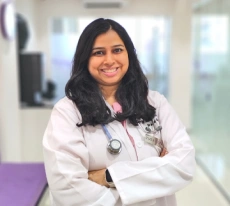
Dr. Nikita Kulkarni, a Consultant Obstetrician and Gynaecologist with more than 12 years of experience in healthcare, provides comprehensive care for women facing routine and high risk pregnancy in Thane. Her patient-focused approach helps expectant mothers receive timely guidance, monitoring, and treatment throughout pregnancy.
What is Considered a High-Risk Pregnancy?
A pregnancy may be considered high risk when maternal, fetal, or pregnancy-related factors increase the likelihood of complications and require closer monitoring. Maternal age, underlying health conditions, and pregnancy complications can contribute to a high-risk pregnancy. Some examples of maternal illness include diabetes, thyroid disease, autoimmune disorders or hypertension.
Certain fetal conditions can also place a pregnancy in the high-risk category. In addition, any structural anomalies, genetic issues, or findings found through prenatal screening may necessitate further tests and interventions.
Any problems faced previously, such as complications during pregnancy, recurrent miscarriage, premature birth, or anything observed through the routine prenatal visits, may also contribute to higher chances of a high-risk pregnancy. While a high-risk pregnancy does not necessarily mean complications will occur, it does warrant closer monitoring and specialised care. The following conditions may increase the risk of complications during pregnancy and may result in a high-risk pregnancy:
- Multiple pregnancy (twins or triplets)
- Placental abnormalities
- Fetal growth restriction
- Previous caesarean with complications
- Pre-pregnancy obesity or elevated BMI
- Maternal age above 35 years
- Chronic hypertension
- Pre-existing diabetes,
- Kidney disease
- Multiple pregnancy
- Placental abnormalities
- Previous preterm birth
- Autoimmune disease
Why It’s Important to Recognise Warning Signs
Physical changes are expected throughout pregnancy, and many symptoms are harmless and temporary. Fatigue, swelling, and mild pain may be experienced by most women during the adaptation. Certain symptoms, on the other hand, may indicate serious problems and need medical consultation.
Recognising the early symptoms helps health professionals to diagnose issues before the condition worsens. Early action will help minimise the potential risks related to such conditions as preeclampsia, complications from the placenta, early labour, and infections. Early contact with health care professionals can help ensure proper treatment.
Signs of a High-Risk Pregnancy
Headaches and Vision Changes
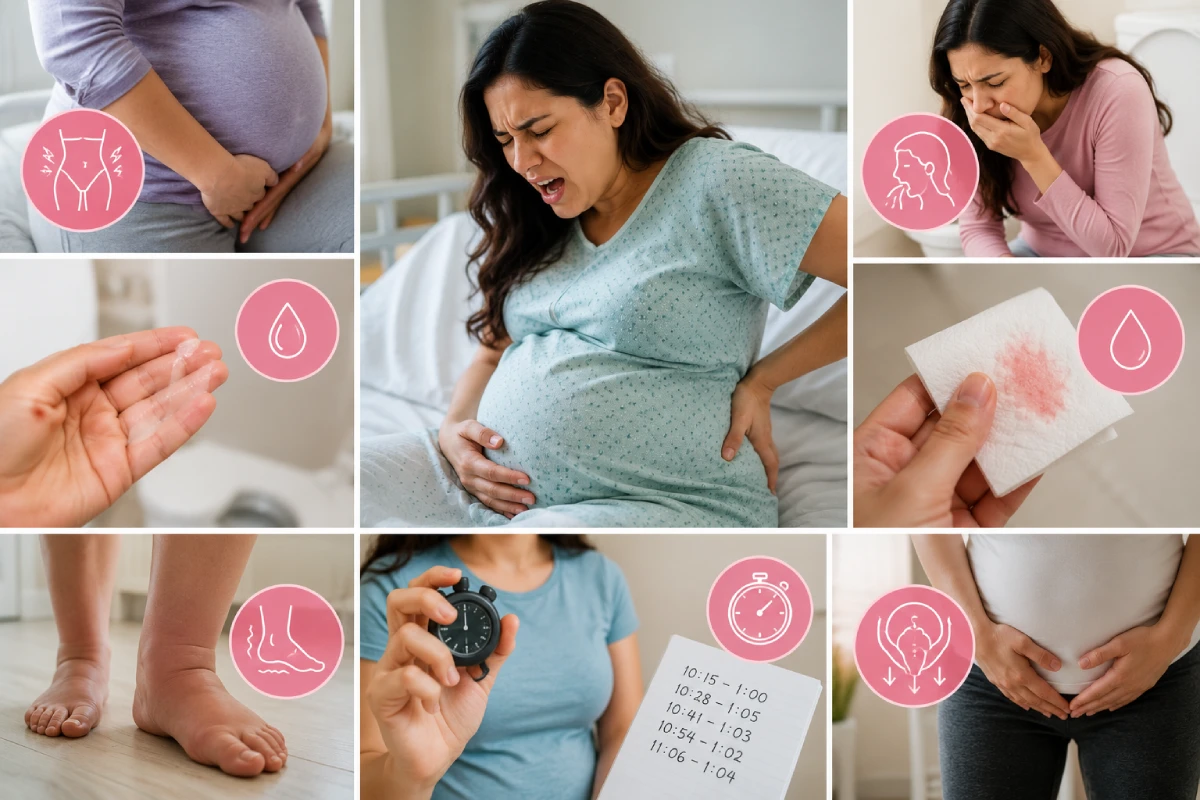
Headaches are common in pregnant women, but any headache that does not go away or occurs suddenly needs to be reported to your physician. These symptoms may sometimes indicate preeclampsia, a serious pregnancy condition associated with high blood pressure and involvement of other organ systems and should therefore be evaluated promptly.
Visual changes need to be considered a red flag for potential problems. Symptoms include blurred vision, flashing lights, increased sensitivity to light, or the appearance of spots.
Bleeding or Leaking Fluid
Light spotting may occur in early pregnancy, but any persistent or heavy bleeding should be evaluated promptly. The causes for which there could be bleeding include placenta previa, placental abruption, or any other problem that happens because of pregnancy.
Fluid leakage could be yet another problem to be reported immediately to the doctor. This fluid leakage could be the result of premature rupture of membranes even before 37 weeks of gestation, causing infection or preterm birth. Even a gush or continuous trickle of clear fluid should be assessed promptly. Persistent watery discharge or a gush of fluid should always be assessed, regardless of gestational age.
Abdominal Pain or Contractions
While minor stretch feelings may happen during uterine growth, severe abdominal pain or distress must be checked up on by a health professional. Pain occurring alongside bleeding may sometimes point to an issue involving the placenta.
Contractions occurring before full-term pregnancy may suggest preterm labour. Frequent abdominal tightening, a feeling of pressure in the pelvic area, or ongoing cramps should be reported to a medical professional so that suitable evaluation and care for abnormal pregnancy symptoms can be initiated.
Severe one-sided pain in early pregnancy may require urgent evaluation for ectopic pregnancy.
Swelling, Weight Gain, and Shortness of Breath
Mild swelling of the feet and ankles is common, particularly later in pregnancy. Rapid facial swelling should be informed to the doctor as it is more concerning. Weight gain over a short period is yet another symptom that needs close monitoring.
Shortness of breath tends to occur as the baby grows inside the womb. Any extreme shortness of breath, chest pain, palpitations, or trouble breathing should not go unmentioned.
Please visit your Obstetrician if you notice:
- sudden facial swelling
- hand swelling
- severe oedema
Changes in Baby’s Movement
Fetal movements provide valuable information about a baby’s well-being. Most mothers become familiar with their baby’s usual activity pattern during pregnancy. Any decrease in movement or absence of movement must be reported immediately.
Monitoring kick counts at home will assist in identifying any change in movement. Medical specialists may advise additional diagnostic assessments or a fetal ultrasound examination when concerns arise regarding the baby’s activity levels or movement changes.
Other Symptoms That Require Attention
Some symptoms of high risk pregnancy could appear without belonging to any of these categories, yet would be worth seeing a doctor for. Nausea and vomiting, which prevent normal consumption of food and water intake, can cause dehydration and nutritional deficiency.
Fever, chills, or a burning sensation while passing urine may indicate an infection and should prompt medical evaluation. Pain, redness, warmth, or swelling of a leg might show a blood clot that needs emergency treatment. Timely treatment of these conditions can help prevent further complications during pregnancy. Severe itching, especially on the palms and soles, accompanied by jaundice may indicate intrahepatic cholestasis of pregnancy (ICP) and should be assessed by a doctor promptly.
Trusting Your Instincts
Many expectant mothers will notice small body changes even before there are any concerns about health. Any unusual or unexpected changes should be discussed with a medical professional, and appropriate guidance should be sought whenever concerns arise.
Open communication between patients and healthcare practitioners still remains one of the key factors in managing high-risk pregnancies. One should not neglect anything, especially considering the health of both mother and fetus.
What to Do If You Notice Any of These Signs?
Having any of these signs doesn’t necessarily indicate that there is some kind of complication present. It’s essential to seek a professional opinion to identify the causes and whether further monitoring or treatment is needed.
Prenatal visits, screening tests, and following the doctor’s instructions have a significant impact on the health of your pregnancy. Early reporting of concerning symptoms gives healthcare providers the opportunity to respond quickly and support the safest possible outcome for both mother and baby. Do not wait until your next scheduled antenatal visit if symptoms are severe or worsening.
Final Thoughts
Identifying the early symptoms of a risky pregnancy can be useful to get the proper treatment before the problem becomes serious. Some common symptoms, like headaches, vision disturbances, bleeding, abdominal pain, decreased fetal activity, rapid swelling, and difficulty breathing, should never be overlooked. Early detection and treatment can usually make all the difference in a better outcome for the pregnancy.
Dr. Nikita Kulkarni is a Consultant Obstetrician and Gynecologist in Thane who specialises in both routine and high-risk pregnancies. If you experience symptoms during pregnancy, seek prompt medical evaluation. Early assessment and timely management can improve outcomes for both mother and baby.