Table of Contents
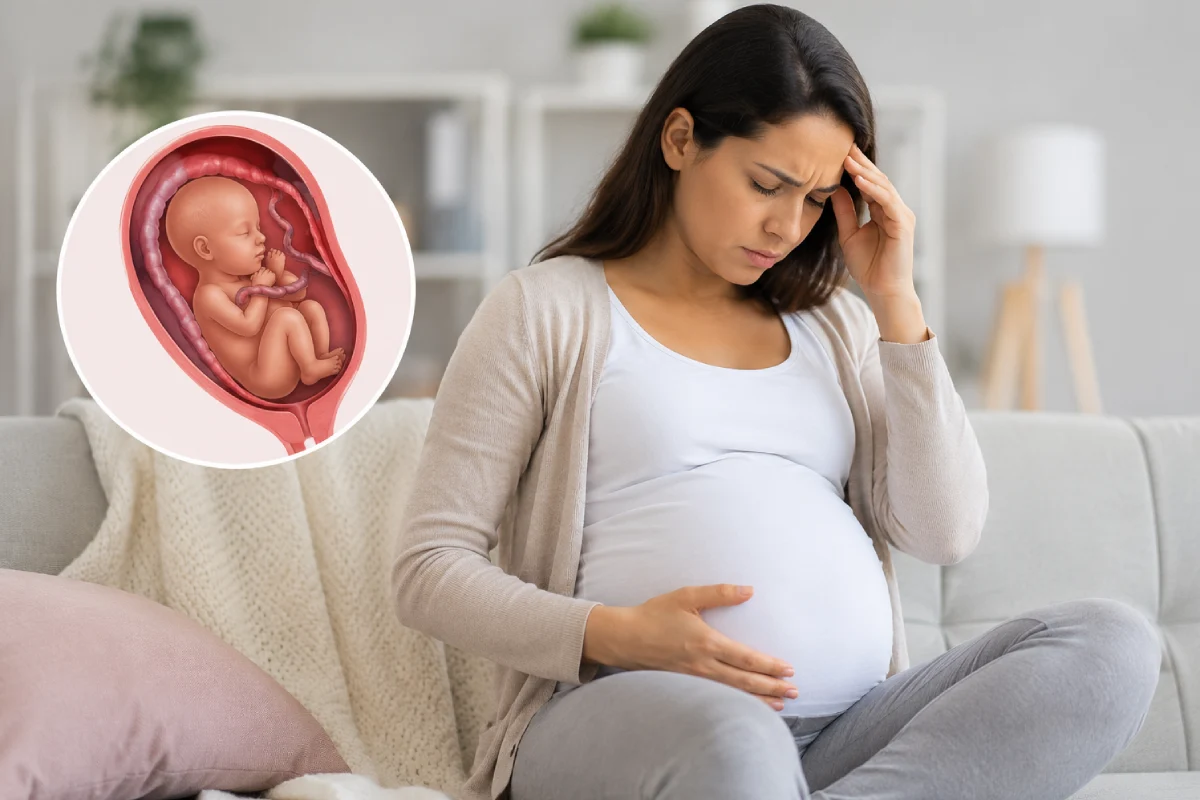
Pregnancy is a period of significant physical and emotional changes. Although many of these changes are positive, certain symptoms and discomforts may interfere with day-to-day activities. Many women experience back pain during pregnancy as the growing baby places additional strain on the back muscles and spine, while changes in posture and body weight further contribute to the discomfort.
Regular exercise can decrease the feeling of discomfort and increase flexibility, and will be helpful in the general course of pregnancy. Certain exercises may help improve strength, posture, flexibility, and overall physical conditioning during pregnancy. Safe and appropriate exercise during pregnancy may help improve comfort, support overall physical well-being, and prepare the body for labour and delivery.
Most healthy pregnant women are encouraged to perform at least 150 minutes of moderate-intensity physical activity per week unless advised otherwise by their doctor.
Consulting Dr Nikita Kulkarni, an experienced Gynecologist in Thane, can help ensure that exercise routines are tailored to individual needs.
The Causes Of Pregnancy-Related Back Pain
Back pain may occur during pregnancy when the centre of gravity of the body moves forward. This is due to the growing uterus that exerts additional pressure on the lumbar spine, pelvis, and muscles surrounding them. There is an added change in posture with additional strain on the lower back and pelvis.
These changes can place additional stress on the back and contribute to discomfort during pregnancy. As a result, many women consider exercise for back pain during pregnancy to help improve flexibility, strengthen supporting muscles, and manage symptoms.
Some common factors that cause back pain are
- Weight gain and growing uterus during pregnancy
- Changes in posture and centre of gravity
- Long periods of standing or sitting
- Weakening or stretching of abdominal support muscles
- Hormonal changes leading to ligament laxity
Pelvic Tilts For Gentle Back Support
Pelvic tilts are gentle exercises that can be done by pregnant women to alleviate lower back pain. This exercise allows the spine to move gently and thus may help reduce strain and stiffness in the lower back.
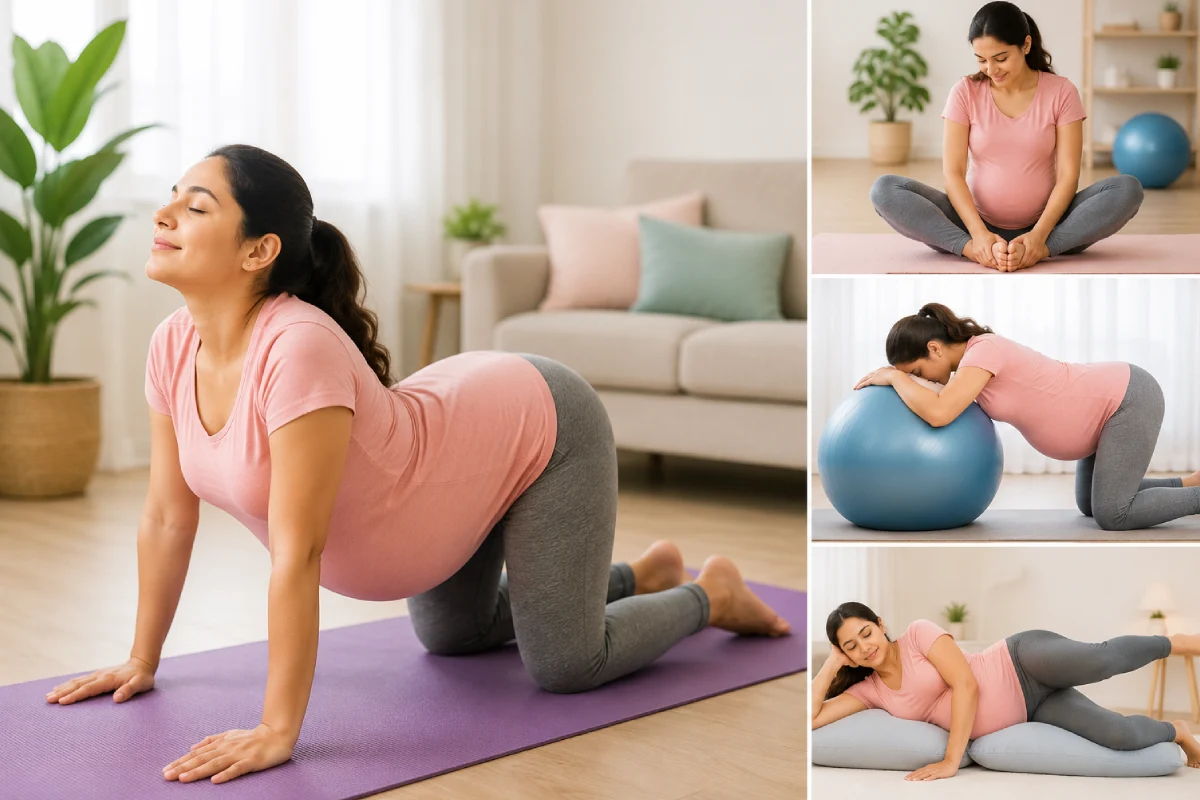
Kneel on all fours, your back in a neutral position. Then pull your abdomen gently towards your spine, and slightly round your back. Hold this position for a few seconds before returning to the starting position.
This exercise can be beneficial for back pain experienced during pregnancy.
Cat-Cow Movement For Better Spinal Flexibility
The cat-Cow movement encourages flexibility throughout the spine and supports better posture. It is a gentle exercise that can be performed comfortably during most stages of pregnancy.
Begin on your hands and knees. Slowly arch the back while lifting the chest, then gently round the spine while lowering the head. Controlled breathing helps promote relaxation and body awareness.
This exercise improves mobility and helps the body stay flexible as pregnancy progresses. Regular practice can support better posture and reduce stiffness in the back.
Modified Child’s Pose For Relaxation And Comfort
A modified Child’s Pose, performed with the knees placed wider apart, may provide greater comfort during the later stages of pregnancy.
Begin by kneeling comfortably with your knees slightly wider than hip-width apart. Slowly lower your hips towards your heels as far as is comfortable, then extend your arms forward and rest your forehead gently on the floor or a cushion, if needed. Hold the position while breathing slowly and steadily, and avoid stretching beyond your comfort level.
Avoid lying flat on your abdomen or stretching to the point of discomfort.
Among the various stretching exercises for pregnancy, the modified Child’s Pose is commonly recommended to help relieve muscular tension, promote relaxation, and gently stretch the back and hips.
Squats to Support Strength and Labour Preparation
Squats may help improve lower-body strength, flexibility, and body awareness during pregnancy. They may also support preparation for labour in some women.
Stand with feet slightly wider than hip-width apart. Lower the body slowly while keeping the chest upright and maintaining balance.
Squats may support lower-body strength and mobility during pregnancy when performed correctly and after medical clearance.
Benefits of deep squats include
- Improved pelvic flexibility
- Better lower-body strength
- Enhanced balance and stability
- Improved body awareness and mobility
Women with placenta previa, risk of preterm birth, cervical insufficiency, pelvic girdle pain, or certain high-risk pregnancies should consult their doctor before performing squatting exercises.
Wall Sits To Build Leg Strength
Wall sits build strength in the legs, hips, and gluteal muscles. Wall sits can be used to help develop endurance, which might contribute towards childbirth preparation.
Stand with your back against a wall and slowly bend down into a sitting position. Remain in that position for as long as you can comfortably hold before straightening back up.
Wall sits may help improve lower-body strength and endurance in some pregnant women.
Butterfly Stretch For Pelvic Mobility
The Butterfly Stretch is aimed at loosening the hips and increasing flexibility around the pelvis area. This simple exercise may help to decrease the feeling of tightness in the pelvic area.
The exercise starts with sitting straight while keeping both feet together so that the soles touch each other. The exercise involves holding the feet without applying pressure to the knees, which should drop down freely.
This exercise can be found in many pregnancy workout programs and is often performed alongside other stretching exercises for pregnant women.
Leg Strengthening Activities During Pregnancy
Having strong legs means that there will be more support for the shifting centre of gravity during pregnancy. The strengthening of the lower body may be beneficial for improving pregnant women’s balance and preventing strain on the body while performing everyday tasks.
Examples of safe exercises for pregnant women include those that are done gradually and in a controlled manner. Such exercises may be squats, wall sits, and step-ups.
Important advantages of leg exercises for pregnancy include
- Better balance
- Improved muscle endurance
- Reduced physical fatigue
- Enhanced support for the pelvis and lower back
Activities should be performed gradually and stopped if they cause pain, dizziness, contractions, vaginal bleeding, or shortness of breath.
Walking During Pregnancy:
Walking is one of the safest and most accessible forms of exercise during pregnancy. It may help improve fitness, support weight management, and reduce stiffness and discomfort.
Most women can continue walking throughout pregnancy unless advised otherwise by their doctor.
Pelvic Floor Exercises (Kegels):
Pelvic floor exercises may help strengthen the muscles that support the bladder, uterus, and bowel and may contribute to improved pelvic floor function during and after pregnancy.
Pelvic floor exercises may also help reduce the risk of urinary incontinence during and after pregnancy.
When to Stop Exercising and Seek Medical Advice?
Stop exercising and seek medical attention if you experience:
- Vaginal bleeding
- Leakage of fluid
- Regular or persistent painful contractions
- Chest pain
- Severe shortness of breath
- Dizziness or fainting
- Reduced fetal movements
- Severe abdominal pain
- Severe headache with visual disturbances.
- Calf pain or swelling
- Muscle weakness affecting balance
Professional Guidance Can Make A Difference
Exercise guidelines need to be based on the health requirements of each person. Healthcare professionals can assess individual health conditions and recommend appropriate exercise routines based on gestational age and pregnancy-related factors.
It is always advisable for pregnant women to consult health care experts before embarking on any prenatal exercise regimen. This can help ensure that the exercise programme is appropriate for the individual’s health, fitness level, and pregnancy.
General Exercise Safety Tips During Pregnancy:
- Stay hydrated.
- Avoid overheating.
- Wear comfortable clothing and supportive footwear.
- Avoid contact sports and activities with a risk of falling.
- Stop exercising if you feel unwell.
- Avoid exercising in very hot or humid conditions.
Conclusion
Being active while pregnant can be one way to relieve the pain and also become more flexible. Exercises such as pelvic tilt, child’s pose, and deep squatting, among many others, help relieve back pain as well as support physical conditioning and preparation for labour.
Each pregnancy requires special attention and treatment. Seeking professional guidance can help ensure that exercise routines are appropriate and safe for your individual pregnancy. Not all exercises are suitable for every pregnancy. Women with high-risk pregnancies should consult their doctor before starting or continuing an exercise program.
Women planning for a normal delivery in Thane can consult an experienced Gynecologist in Thane, such as Dr Nikita Kulkarni, for guidance on pregnancy care, safe exercise practices, and overall maternal well-being.
Disclaimer: Exercise recommendations should be individualised, particularly for women with pregnancy complications or medical conditions. Consult your healthcare provider before beginning a new exercise programme during pregnancy.