Table of Contents
Most women can return to their usual activities and quality of life after recovering from a hysterectomy. Life after hysterectomy varies depending on the type of hysterectomy, the surgical approach, the reason for surgery, whether the ovaries are removed, and the woman’s overall health.
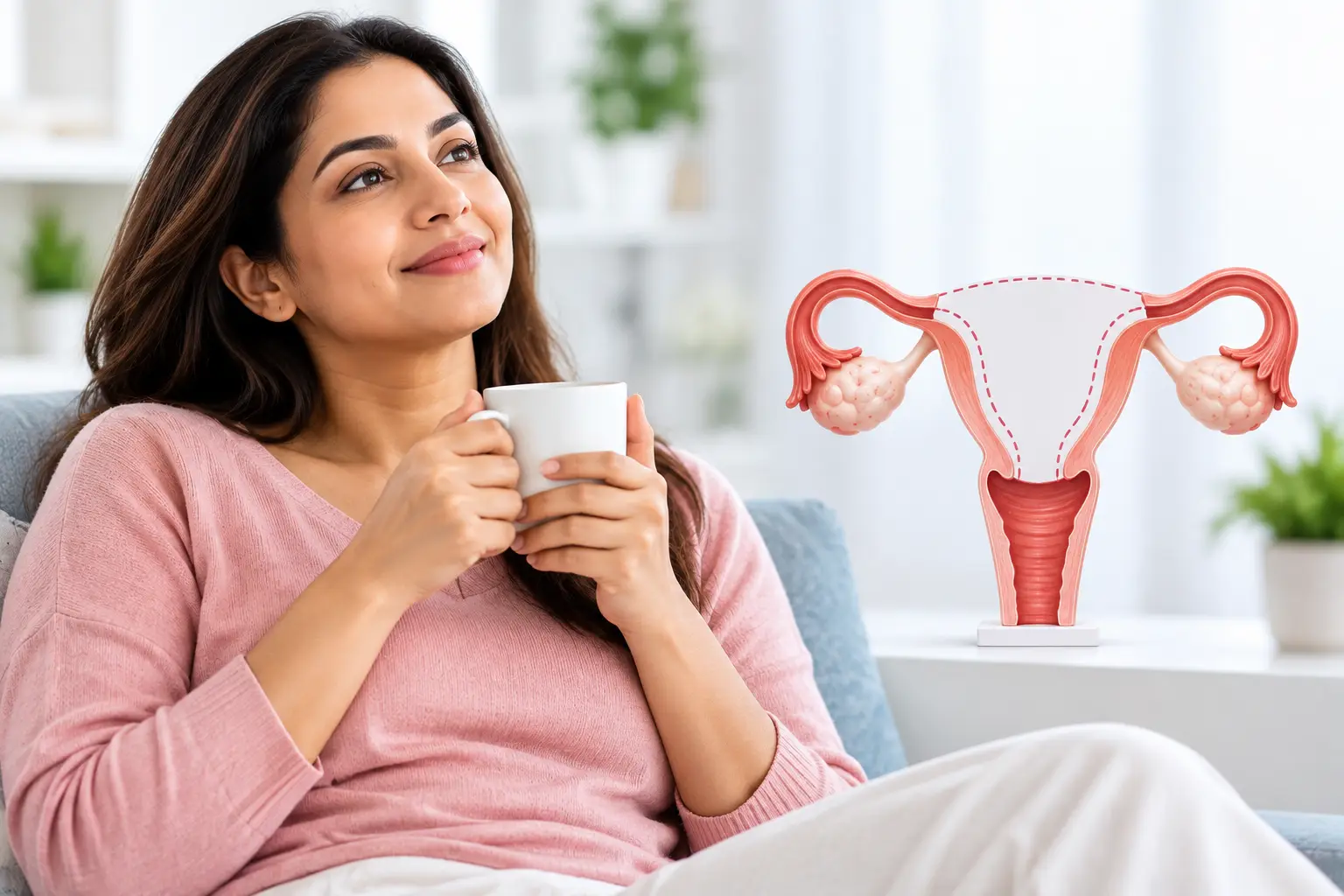
A hysterectomy means surgical removal of the uterus. Depending on the indication and type of surgery, the cervix may also be removed. Removal of the fallopian tubes (salpingectomy) and ovaries (oophorectomy) are separate procedures that may or may not be performed at the same time.
Dr. Nikita Kulkarni, Consultant Obstetrician and Gynecologist, provides individualised counselling regarding hysterectomy, recovery and postoperative care.
What Happens During The First Weeks After Surgery?
The focus during this phase is on allowing the surgical tissues to heal, managing pain, and gradually returning to normal movement.
Rest and mobility – Walking helps improve circulation and bowel function. Gradually increase your physical activity, but avoid lifting weights or strenuous activities until advised.
Incisions after surgery – Keep the surgical incisions clean and dry. Follow your doctor’s advice about wound dressings, bathing, and medications.
Bowel and bladder health – Constipation can occur due to pain medications, reduced mobility and changes in routine. Adequate hydration, fibre intake and gentle movement can help maintain bowel function. Difficulty passing urine, inability to empty the bladder, painful urination or persistent urinary symptoms should be reported to your doctor.
Avoid straining – Avoid straining during bowel movements and activities that put pressure on the healing tissues. If constipation persists, discuss suitable treatment with your doctor.
Follow-up appointments – Attend your follow-up appointments so that your recovery and healing can be monitored.
Recovery after hysterectomy takes time because internal tissues continue to heal for several weeks.
How Long Does It Take to Return to Normal Activities?
The hysterectomy recovery time differs among women. Laparoscopic or vaginal procedures may allow earlier activity than abdominal surgery, but every method still needs adequate healing.
Recovery is generally faster after laparoscopic or vaginal hysterectomy than after open abdominal hysterectomy. Many women gradually resume routine activities over several weeks, but complete internal healing takes longer. Your surgeon will advise you individually about lifting, driving, exercise, work and sexual activity.
| Recovery Area | What You May Expect |
| Walking | Gentle walking usually begins early after surgery |
| Household work | Light activities can return gradually |
| Driving | Resume when you are no longer taking sedating medications that impair alertness and can comfortably sit, safely control the vehicle, wear a seat belt, and perform an emergency stop without pain or restriction, as advised by your surgeon. |
| Exercise | Gradually increase your activity based on your recovery and your doctor’s advice. |
| Sexual activity | Many women are advised to avoid vaginal intercourse for approximately 6 weeks, although the appropriate timing depends on the procedure, healing and their surgeon’s advice. |
Following your surgeon’s instructions is more important than comparing your recovery progress with another woman.
What Should You Know About Hysterectomy Aftercare?
Appropriate postoperative care can support healing and help identify complications early. General measures may include:
- Nutrition and Hydration – See to it that you have balanced meals with proteins, vegetables, fruits, whole grains and drink plenty of water.
- Medication – Take your medications as directed by your doctor.
- Self-care – Ensure you have adequate rest and avoid any activities that involve straining of your abdomen or pelvis.
Can Your Hormones Change After the Uterus is Removed?
Hormonal changes mainly depend on whether the ovaries are removed. Removing the uterus alone does not immediately stop ovarian hormone production, while removing both ovaries causes a sudden drop in estrogen. Once the uterus is removed, menstrual periods permanently stop regardless of whether the ovaries remain.
- Ovaries retained – If the ovaries are retained, hysterectomy itself does not cause immediate surgical menopause because the ovaries continue to produce hormones. However, menopause may occur somewhat earlier in some women after hysterectomy.
- Ovaries removed – Removal of both ovaries before natural menopause causes surgical menopause and may result in symptoms such as hot flushes, night sweats, vaginal dryness, sleep disturbance and mood changes.
- Hormone replacement therapy – If both ovaries are removed before natural menopause, menopausal hormone therapy may be considered based on age, symptoms, surgical reason and individual risks, in consultation with the treating gynaecologist.
What Can Help With Intimacy and Pelvic Health?
Hysterectomy surgery recovery also includes healing in the pelvis region. Therefore, many women resume a satisfying sex life after hysterectomy, with some experiencing improvement once symptoms such as heavy bleeding, pelvic pain or pressure resolve.
- Give yourself some time – Get medical advice before you resume sexual activity.
- Vaginal Dryness– Vaginal moisturisers or lubricants may help with dryness or discomfort; persistent symptoms should be discussed with your gynaecologist.
- Strengthen the pelvic muscles – Pelvic-floor exercises or pelvic-floor physiotherapy may be helpful for selected women with urinary symptoms, pelvic-floor weakness or other pelvic-floor concerns.
- Express your concerns – Pain, reduced sexual desire, or concerns about sexual activity should be discussed with your doctor.
Does Hysterectomy Cause Weight Gain?
Hysterectomy does not necessarily cause weight gain. Temporary changes in activity during recovery, age-related metabolic changes, lifestyle factors and hormonal changes, particularly when the ovaries are removed, may contribute to weight changes in some women. Gradually resuming physical activity and maintaining a balanced diet can support long-term health after recovery.
How Can You Support Your Health After Recovery?
Post-hysterectomy recovery requires maintaining regular physical activity, balanced nutrition and appropriate preventive healthcare can support long-term health. Individual health needs may vary depending on age, medical history and whether the ovaries were retained or removed.
- Exercise regularly – Gradually return to regular physical activity according to your recovery, overall health and your doctor’s advice.
- Support Bone Health – Adequate calcium and vitamin D intake, weight-bearing exercise and other healthy lifestyle measures can support bone health. Individual assessment may be particularly relevant for women who undergo early surgical menopause.
- Support cardiovascular health – Regular physical activity, avoiding smoking, maintaining a healthy diet, and monitoring blood pressure and other cardiovascular risk factors can support long-term heart health.
- Look after your emotional well-being – Persistent sadness, anxiety, sleep disturbance, or difficulty coping should be discussed with your doctor. It is important to understand that hysterectomy can also bring substantial relief, especially after years of heavy bleeding, anaemia, pain, fibroids or adenomyosis.
Will You Still Need Cervical Screening After Hysterectomy?
The need for cervical or vaginal screening after hysterectomy depends on whether the cervix was removed, the reason for surgery and any history of cervical precancer or cancer. Follow your gynaecologist’s individualised screening advice.
Does Life After Uterus Removal (Hysterectomy) Require Major Lifestyle Changes?
After recovery, many women return to work, exercise, travel and their usual daily activities.
While some women feel relieved after their symptoms subside, because pregnancy is no longer possible after hysterectomy, some women may experience feelings of grief or loss, and counselling or emotional support can help when needed.
Can You Become Pregnant After a Hysterectomy?
No. Pregnancy is not possible after the uterus has been removed. However, if the ovaries are retained, they may continue to produce hormones and release eggs until menopause.
When Should You Contact a Gynecologist After Surgery?
Contact your doctor promptly if you experience:
- Heavy vaginal bleeding
- Fever or chills
- Severe or worsening abdominal/pelvic pain
- Foul-smelling vaginal discharge
- Increasing redness, swelling or discharge from an incision
- Chest pain or shortness of breath
- Calf pain or swelling, particularly on one side
- Persistent vomiting or inability to tolerate fluids
- Difficulty passing urine
- Increasing abdominal swelling or severe abdominal distension particularly when accompanied by pain/vomiting
Bottom Line
Life following hysterectomy can be active and fulfilling for most women, with gradual recovery supported by appropriate pain management, gentle physical activity, balanced nutrition, postoperative follow-up, and awareness of warning symptoms.
Long-term changes after hysterectomy depend partly on whether the ovaries are retained or removed, and while some women experience significant relief from heavy bleeding, pelvic pain, fibroids, or adenomyosis, others may need additional support for menopausal, sexual, or emotional concerns.
Dr. Nikita Kulkarni, Consultant Obstetrician and Gynecologist in Thane, provides evaluation, surgical treatment and postoperative care for women undergoing hysterectomy. Their team performs treatment planned according to the underlying condition and individual clinical needs.
If you are considering Hysterectomy in Thane, consult Dr. Nikita Kulkarni for personalised care and support.