Table of Contents
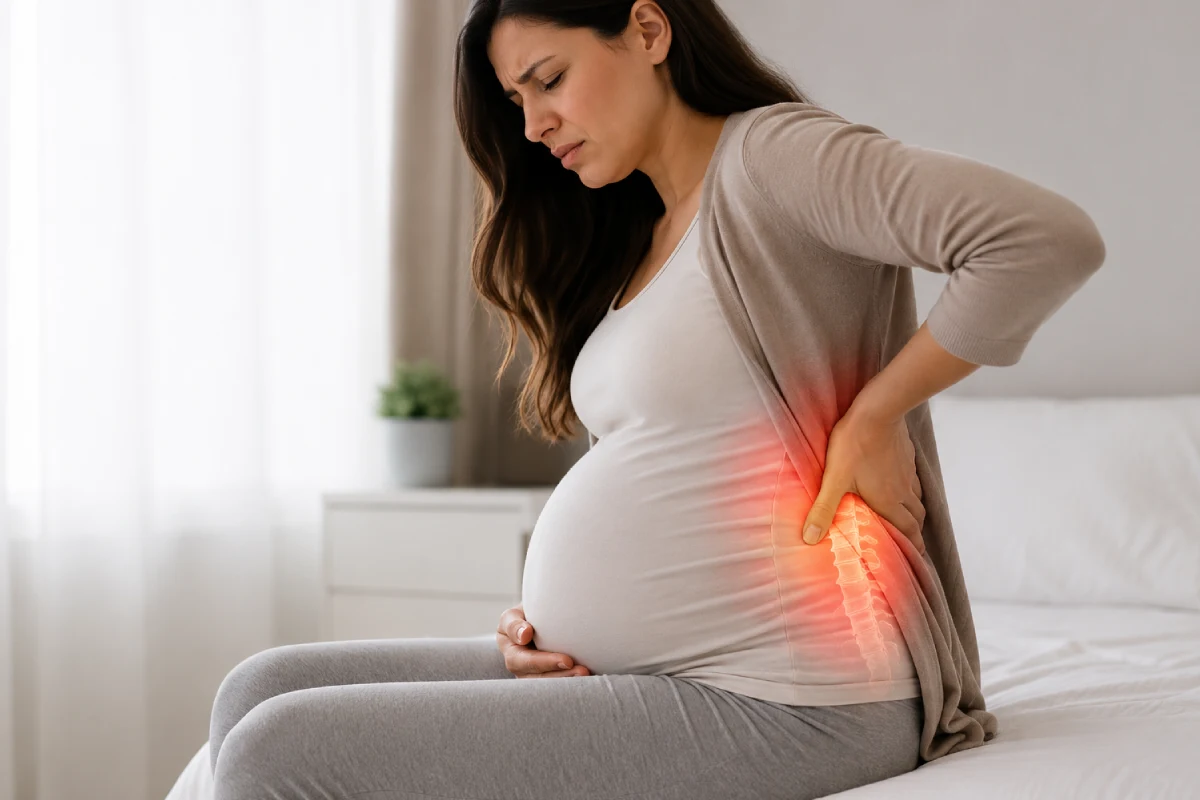
Pregnancy leads to several physical and hormonal changes that help support fetal growth. These changes place extra stress on the spine, muscles, ligaments, and joints, which can result in low back pain during pregnancy.
The intensity of low back pain during pregnancy varies from person to person and may significantly affect mobility, sleep, and overall daily functioning. Early evaluation helps identify the cause of pain and allows appropriate management based on the underlying condition.
Pregnancy-related low back pain often improves after delivery, although symptoms may persist for several weeks or months in some women.
Dr. Nikita Kulkarni provides comprehensive evaluation and personalised management for pregnancy-related low back pain. Early diagnosis and appropriate medical care coupled with lifestyle changes and suitable exercises may help reduce symptoms and improve daily comfort.
Understanding Low Back Pain During Pregnancy
Low back pain during pregnancy is common and often begins during the second trimester, although some women may experience symptoms earlier.
The severity can range from mild discomfort to significant pain that interferes with mobility, sleep, and daily activities. Clinical evaluation can help distinguish pregnancy-related musculoskeletal pain from other spinal, neurological, urinary, or obstetric causes.
Types of Pregnancy-Related Lower Back Pain
Pregnancy-related lumbopelvic pain is commonly described as lumbar pain, pelvic girdle pain, or a combination of both.
Lumbar pain refers to pain in the lower back and is similar to back pain in non-pregnant patients. Pain is often accompanied by tenderness in the lumbar muscles and postural changes. Although symptoms usually improve after delivery, some women may continue to experience back pain during the postpartum period.
Pelvic Girdle Pain
Pain during pregnancy may also be caused by pelvic girdle pain, which commonly affects the sacroiliac joints and may also affect the pubic symphysis. Patients often describe the pain as stabbing, deep, or intermittent. It is commonly felt over the buttocks, lower back or the back of the pelvic region.
This type of pain may occur on one or both sides and can radiate to the back of the thigh or as far as the knee.
Common Causes
Several factors contribute to pregnancy-related low back pain, and more than one factor may be involved simultaneously.
Mechanical Changes
As pregnancy progresses, fetal growth, weight gain, and a forward shift in the body’s centre of gravity alter posture, prompting the spine to adjust to maintain balance. These changes increase mechanical strain on the lumbar region, pelvis, and surrounding muscles. Stretching of the abdominal muscles may also reduce trunk support and contribute to discomfort.
Hormonal Factors
Hormonal changes during pregnancy may contribute to increased ligament laxity and changes in joint stability. However, Lower back pain in pregnancy is multifactorial, and hormonal changes alone do not explain why symptoms develop or how severe they become. Serum Relaxin levels do not reliably predict the severity of pregnancy-related back pain.
Risk Factors
There are several reasons why pregnant back pain develops. Determining these risk factors enables the doctor to pinpoint which patients need special attention.
- Previous history – A history of chronic back pain, back pain during previous pregnancy, pelvic injury, and repeated pregnancies (multiparity) are among the risk factors for developing pregnancy-related back pain.
- Reduced physical fitness – Poor muscle strength and reduced physical fitness before or during pregnancy may decrease spinal support and increase the likelihood of developing pregnancy-related low back pain.
- Joint hypermobility – Joint hypermobility has also been associated with an increased risk of pregnancy-related back pain.
- Other related factors – Age and socio-economic status have not been found to be associated consistently with pregnancy-related low back pain.
- Previous pelvic girdle pain
- Physically demanding occupation
Clinical Assessment and Diagnosis
Gynecologists evaluate pregnancy-related back pain by reviewing the patient’s medical history and performing a thorough physical examination. Adequate assessment is important for differentiating between lumbar and pelvic girdle pain.
- Medical history – The doctor will evaluate the location, duration, intensity, radiation, along with any factors that worsen or relieve the symptoms.
- Physical examination – Clinical assessment is used to differentiate lumbar from pelvic girdle pain based on posture, movement, and functional restriction.
- Clinical tests – Diagnosis commonly includes the posterior pelvic pain provocation test and the active straight-leg raise test is recommended when pelvic girdle pain is suspected. These tests may be performed by an appropriately trained healthcare professional such as a physiotherapist.
- Imaging Tests – Imaging studies are not generally required for pregnancy-related low back pain unless a spinal, neurological, or other underlying condition is suspected. MRI may be considered in selected cases when imaging is clinically necessary to evaluate suspected serious spinal or neurological conditions, as it does not involve ionising radiation.
Measures That May Help Reduce Back Pain
Knowing the causes of back pain during pregnancy can help pregnant women adopt healthy practices that reduce stress on the spine.
Measures that may help reduce or manage discomfort include:
- Maintain the right posture while standing, sitting, and lifting objects.
- Regular pregnancy-safe exercise, as advised by your healthcare provider, may help strengthen the muscles supporting the back and pelvis.
- Have short breaks during the day to avoid muscle fatigue.
- Maintain a comfortable sleeping position that provides adequate support for the spine and pelvis.
- Change your position regularly instead of sitting or standing for prolonged periods.
- Wear shoes that offer comfort and stability.
- Maintain proper posture during daily activities to prevent pressure on your lumbar spine.
Medical Management
Conservative management remains the first-line treatment for most pregnant women with lower back pain. Management will depend on the nature and severity of pain experienced and how much it affects their daily activities.
Treatment options may include:
- Customised physiotherapy sessions
- Activity modification
- Pelvic support belts may be considered for selected women with pelvic girdle pain.
- Back support during prolonged sitting
- Brief rest during acute painful episodes, while avoiding prolonged inactivity where possible
- Prenatal massage by a trained therapist experienced in pregnancy care
- Relaxation techniques and Prenatal yoga under professional supervision
- Pregnancy-compatible pain relief may be recommended by the treating doctor when required.
When Should You Seek Urgent Medical Attention?
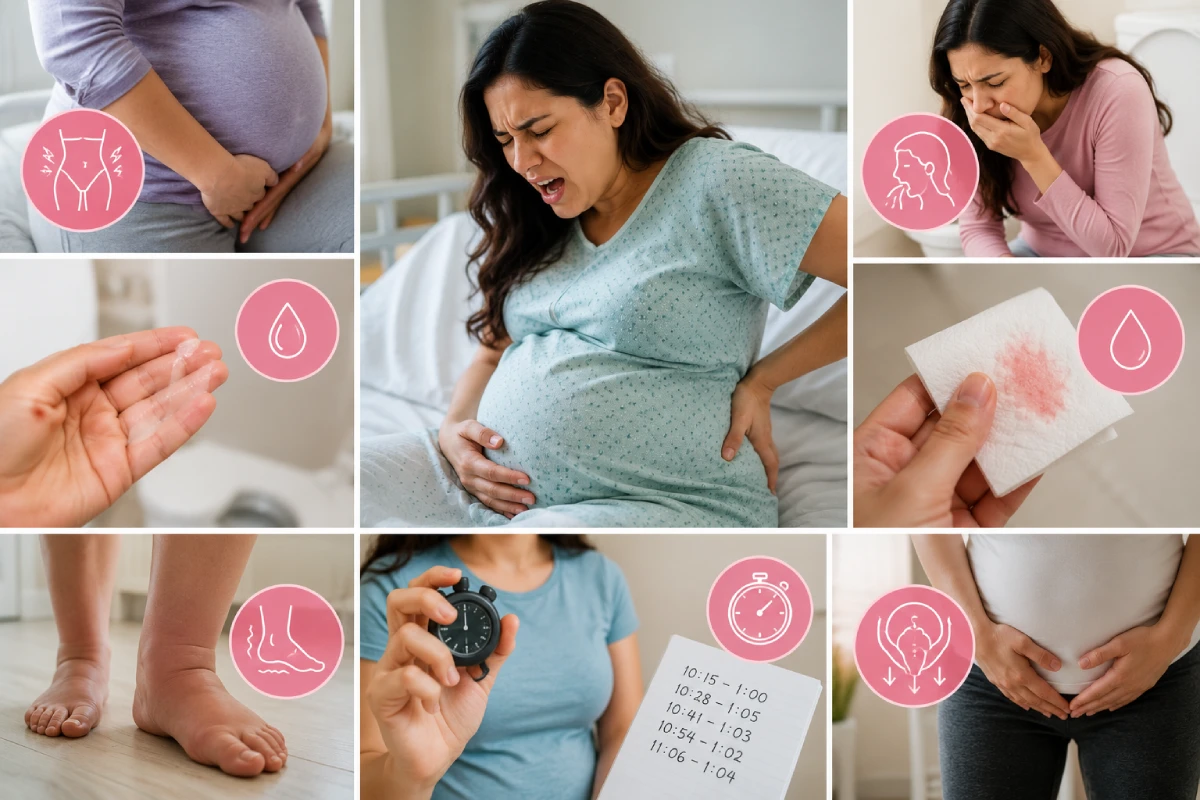
- Severe or rapidly worsening back pain
- Back pain associated with vaginal bleeding
- Leakage of amniotic fluid
- Fever or chills
- Regular painful contractions
- Loss of bladder or bowel control
- New numbness or weakness in the legs
- Sudden or severe difficulty in walking
- Reduced fetal movements (later pregnancy)
- Burning or pain while passing urine
- Severe back pain following trauma
Women experiencing persistent symptoms should avoid self-medication and consult their doctor for a proper evaluation. A personalised treatment plan provides safer and more effective pregnancy back pain relief while protecting maternal and fetal health.
Intervention in the early stages may help reduce limitations on activities and improve quality of life. Antenatal visits ensure that the symptoms are tracked and treated promptly.
Conclusion
Low back and pelvic girdle pain are common during pregnancy, but the underlying pattern and severity can vary. Appropriate evaluation can help distinguish common musculoskeletal causes from conditions that require further investigation. Diagnosis at an early stage, proper management, exercise, and follow-up can help reduce low back pain in pregnancy, maintain mobility, and improve daily functioning. Persistent, severe, or unusual back pain should be medically evaluated, particularly when accompanied by obstetric, urinary, or neurological symptoms.
Dr. Nikita Kulkarni is a Consultant Obstetrician & Gynecologist in Thane who provides personalised, evidence-based pregnancy care. Women seeking antenatal guidance, including those planning for normal delivery in Thane, may consult Dr. Nikita Kulkarni for evaluation and management of pregnancy-related concerns./