Table of Contents
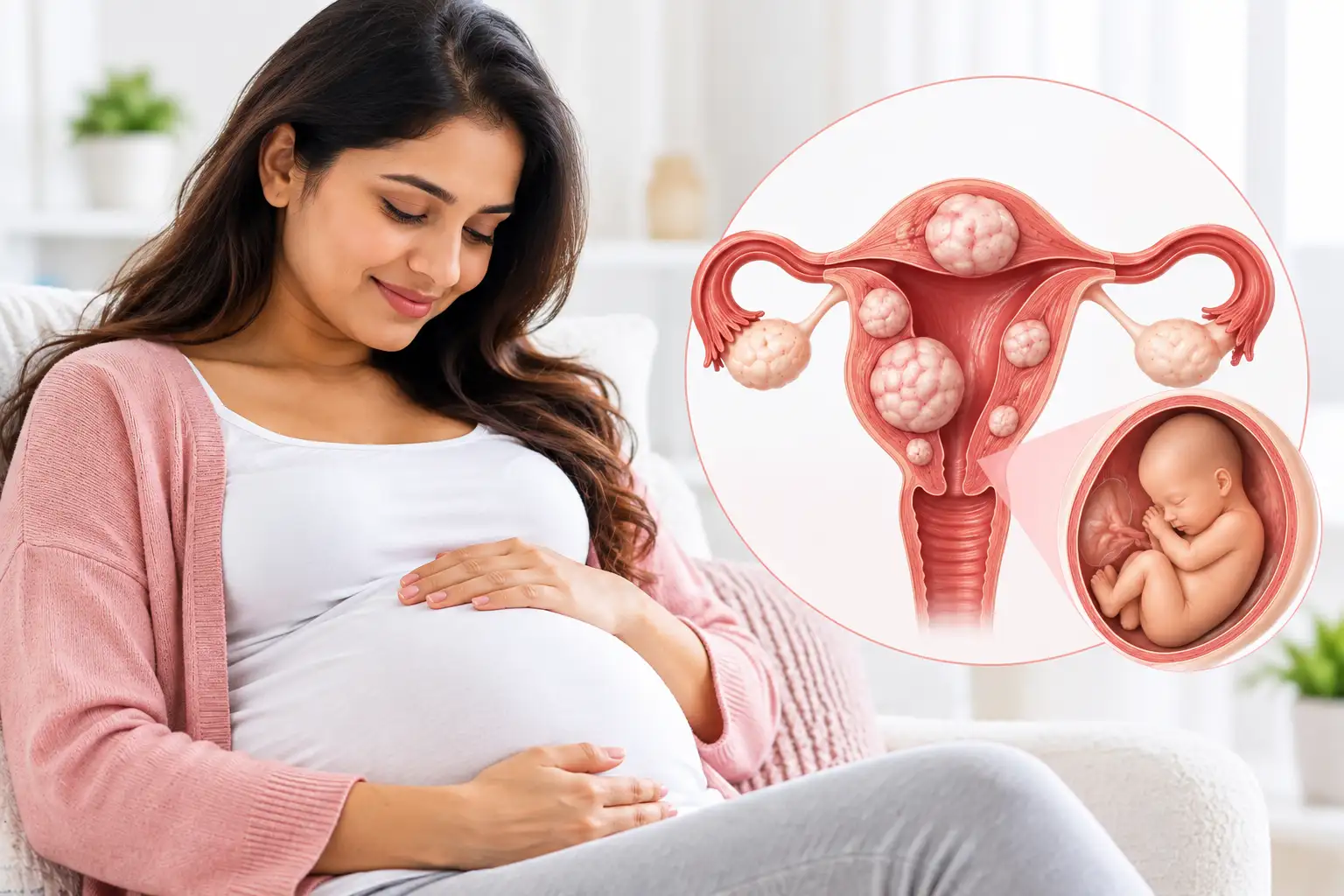
Having uterine fibroids does not necessarily mean you will experience pregnancy complications or require a Caesarean delivery, as many women with fibroids have uncomplicated pregnancies and vaginal births. However, their impact on pregnancy depends on factors such as their size, number and location within the uterus.
Can fibroids affect pregnancy?
In some cases, fibroids may affect pregnancy, fetal growth, placental location or delivery planning. Depending on these factors, additional monitoring may be recommended throughout pregnancy.
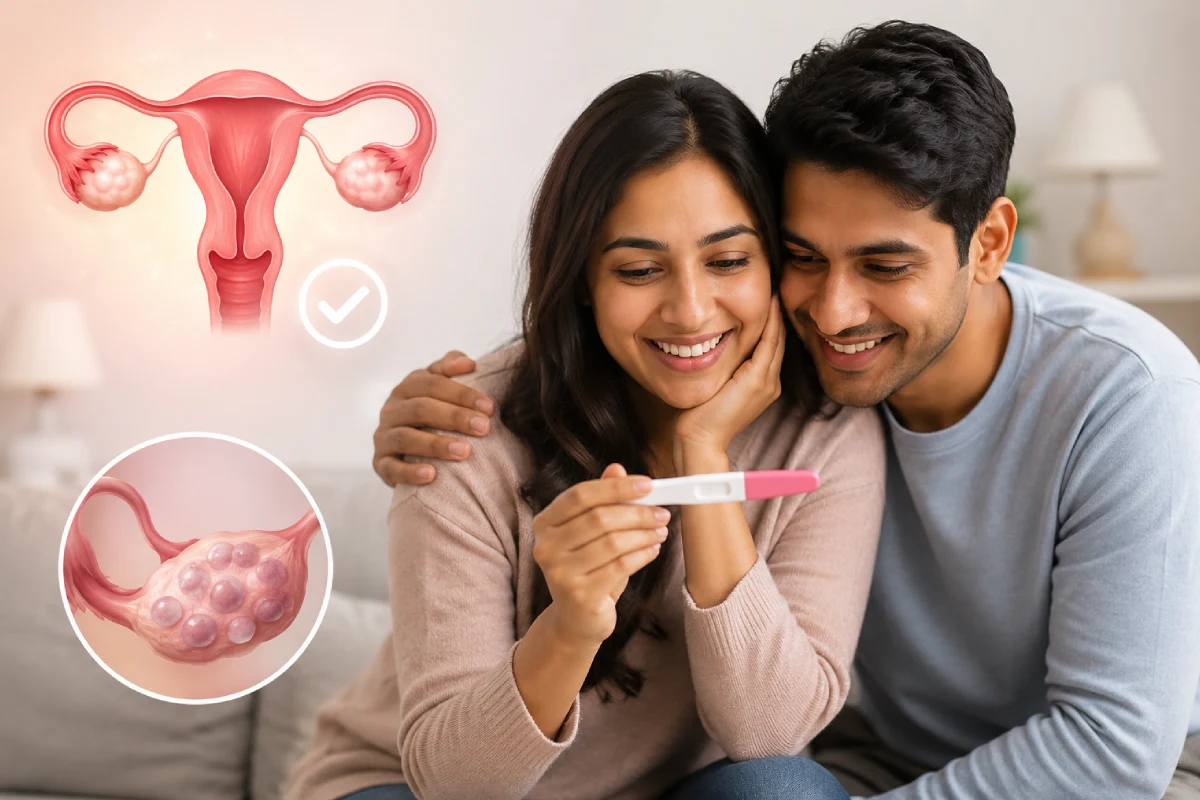
Uterine fibroids (leiomyomas) are benign growths that arise from the smooth muscle of the uterus. Many women with fibroids have no symptoms and experience uncomplicated pregnancies. However, individualised monitoring may be advised based on the characteristics of the fibroids and the course of the pregnancy.
Understanding the possible effects of fibroids during pregnancy can help women recognise concerns and discuss appropriate care with their obstetrician. Dr. Nikita Kulkarni provides personalised guidance and treatment planning based on each woman’s individual needs.
What Are Fibroids and How Can They Affect Pregnancy
The effect of fibroids during pregnancy depends mainly on their size, number and location. Small fibroids, particularly those that do not distort the uterine cavity, do not interfere with placental location or obstruct the birth canal, may have little or no effect on pregnancy.
Certain situations may require closer observation throughout pregnancy.
| Possible Concern | How It May Affect Pregnancy |
| C-section | A fibroid may make vaginal delivery more difficult in some cases |
| Fetal malpresentation | Depending on their size and location, some fibroids may interfere with the fetus assuming a cephalic presentation. |
| Preterm birth | Some pregnancies may have an increased chance of early delivery |
| Placental abruption | The fibroids may be associated with this serious pregnancy complication such as placental abruption in some pregnancies. |
| Fibroid degeneration | Some fibroids may undergo degeneration during pregnancy, which can cause acute localised abdominal pain and tenderness. |
| Postpartum haemorrhage | Fibroids may sometimes increase the risk of heavy bleeding after delivery. |
| Miscarriage | Some fibroids, particularly depending on their size and location, may be associated with an increased risk of miscarriage. |
| Fetal growth concerns | Depending on their size and location, some fibroids may warrant additional monitoring of fetal growth |
Placental abruption occurs when the placenta separates from the uterine wall before delivery. It requires immediate medical attention.
Not all women with fibroids experience pregnancy complications, and many have uncomplicated pregnancies and births.
Can Fibroids Cause Pain During Pregnancy?
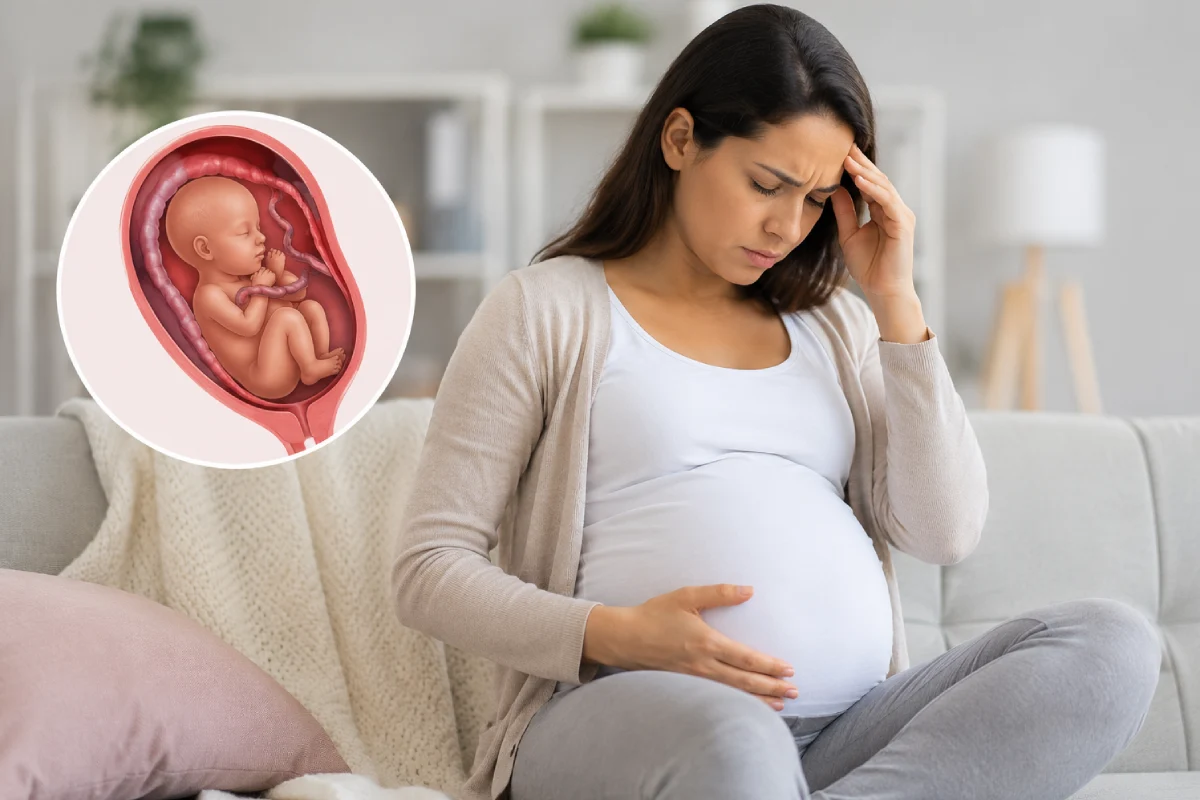
Fibroids can sometimes become painful during pregnancy, particularly if degeneration occurs. Significant or persistent abdominal pain should be evaluated because not every episode of pain in a woman with fibroids is necessarily caused by the fibroid.
What Are the Symptoms of Fibroids During Pregnancy
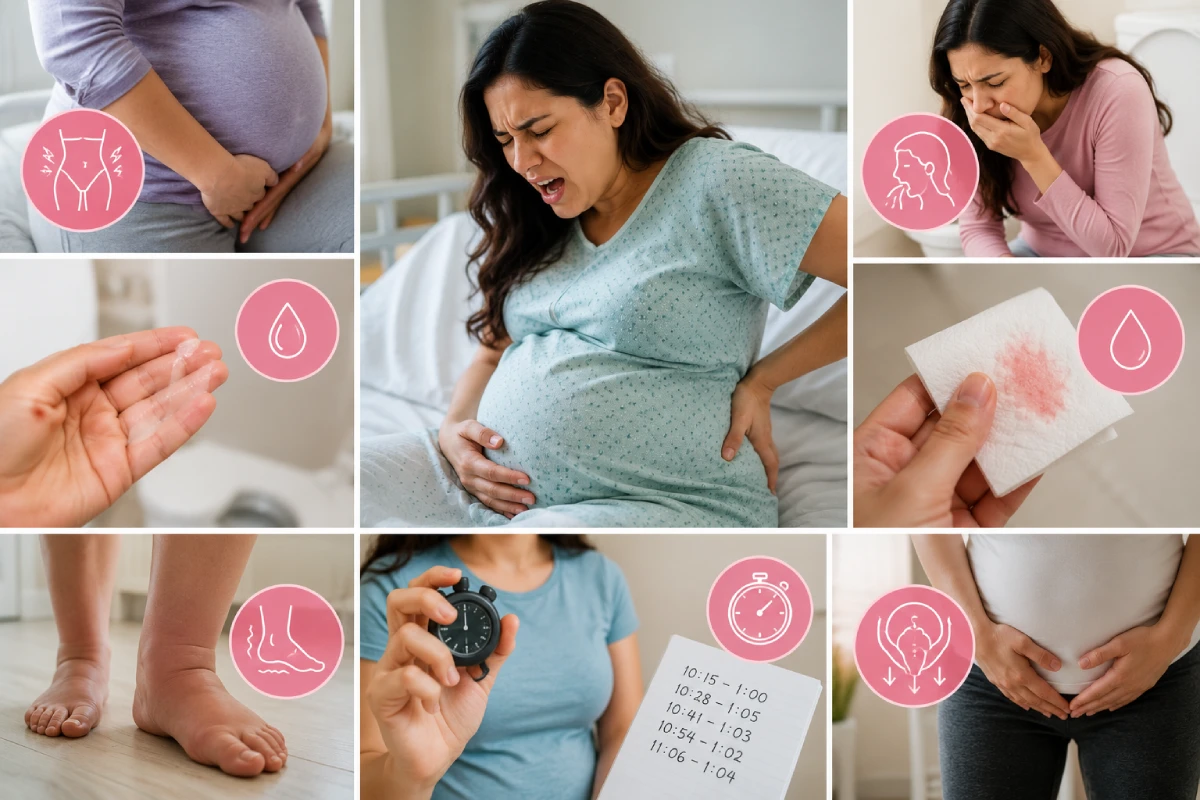
Symptoms of uterine fibroids during pregnancy may vary from one woman to another, since some women do not have any symptoms, while others can suffer from pain or other symptoms.
Pregnancy itself involves many physical changes, so any new or concerning symptoms should be discussed with your obstetrician.
Common concerns may include
- Pelvic pressure/discomfort – Pressure or pain may occur as the uterus grows. You may experience occasional pressure symptoms depending on size/location.
- Abdominal or pelvic pain – Degenerative changes in fibroid during pregnancy can sometimes cause significant discomfort.
- No symptoms – Some women may have fibroids without experiencing any noticeable symptoms.
Severe or persistent pain during pregnancy should be assessed by a healthcare professional. Assessment will help determine the cause of the pain and the most appropriate way to treat it.
What Should You Do If You Have Fibroids During Pregnancy
Fibroids are usually managed conservatively during pregnancy. The need for additional ultrasound surveillance depends on factors such as fibroid size and location, placental location, fetal growth and the individual clinical situation.
Important steps include
- Attend Additional Ultrasound Monitoring When Recommended – Ultrasound may be used to assess fetal growth, placental location, fetal presentation, or changes in the fibroids depending on the clinical situation.
- Report significant or persistent abdominal pain – Significant, persistent or worsening abdominal pain should be reported so that its cause can be appropriately evaluated.
- Prompt Evaluation – Seek prompt medical assessment for vaginal bleeding, regular contractions, leaking fluid, reduced fetal movements, or severe/worsening abdominal pain.
- Discuss the likely mode of delivery later in pregnancy – Your obstetrician may consider fibroid location, fetal presentation and other obstetric factors when planning delivery.
- Do not self-medicate for pain during pregnancy – Consult your doctor before taking any medication to ensure it is safe for you and your baby.
Fibroid monitoring may continue up to delivery. Most fibroids do not require treatment during pregnancy, although monitoring and management should be individualised according to symptoms, fibroid characteristics and the course of the pregnancy.
Can I Have a Vaginal/Normal Delivery if I Have Fibroids?
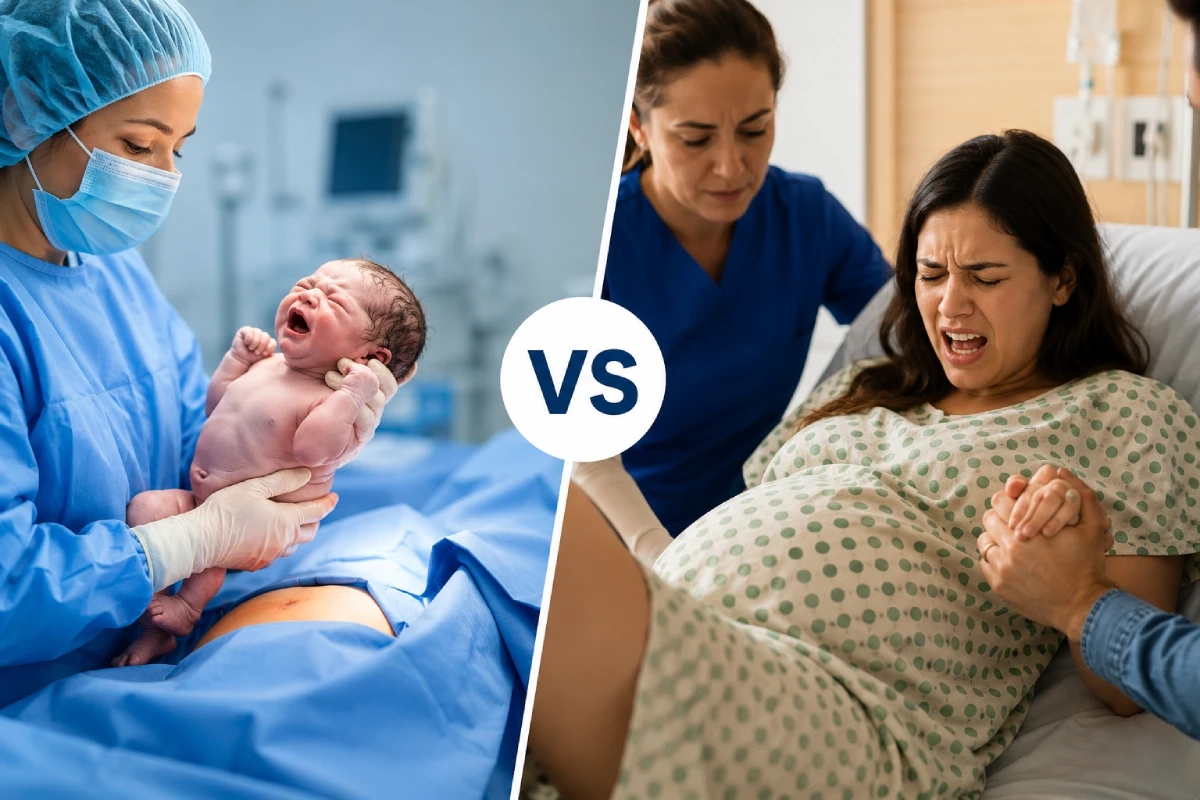
Many women with uterine fibroids can have a vaginal delivery. The presence of a fibroid alone is not an indication for Caesarean delivery. However, Caesarean delivery may be required for obstetric reasons or when the size or location of a fibroid obstructs the birth canal, contributes to fetal malpresentation, or otherwise affects the safety or progress of labour.
Do Fibroids Grow During Pregnancy?
Fibroids may change in size during pregnancy, particularly during the earlier stages, but their behaviour is variable. Some enlarge, some remain relatively stable, and some may decrease in size later in pregnancy or after delivery. Changes in fibroid size do not necessarily mean that pregnancy complications will occur.
What Happens to Fibroids After Delivery?
Many fibroids decrease in size after pregnancy as the uterus involutes. If the patient remains symptomatic postpartum, reassessment can determine whether any treatment is required.
When Should You Consult Your Obstetrician and Gynecologist for Fibroids
Women with known fibroids who are planning pregnancy or are already pregnant may benefit from individual assessment to determine whether the size or location of the fibroids is likely to influence pregnancy monitoring or delivery planning.
Medical advice may be useful if you
- Experience persistent or significant pelvic or abdominal pain.
- Have concerns about fertility.
- Are pregnant with known fibroids
- Have questions about pregnancy monitoring or delivery planning.
- Need guidance after previous fibroid surgery.
- Have fibroids and are planning pregnancy.
A careful evaluation can help establish an appropriate care plan and provide reassurance throughout the pregnancy journey.
Final Words
Most women with fibroids can have healthy pregnancies, although some require additional monitoring or changes in delivery planning depending on fibroid characteristics and the individual pregnancy.
If you have uterine fibroids and are planning pregnancy or are already pregnant, an individual assessment can help determine whether the fibroi ds are likely to affect pregnancy monitoring or delivery planning.
Dr. Nikita Kulkarni, Consultant Obstetrician and Gynecologist in Thane, provides evaluation and individualised care for women with fibroids before, during and after pregnancy.
Consult her for individualised guidance and appropriate Uterine fibroid treatment in Thane based on your needs.